
- LIFESTYLE
- FASHION
- FOOD
- ENTERTAINMENT
- EVENTS
- CULTURE
- VIDEOS
- WEB STORIES
- SPORTS
- GADGETS
- CAR & BIKE
- TRAVEL
- SOCIETY
- GALLERIES
- NORTH EAST
- INDULGE CONNECT
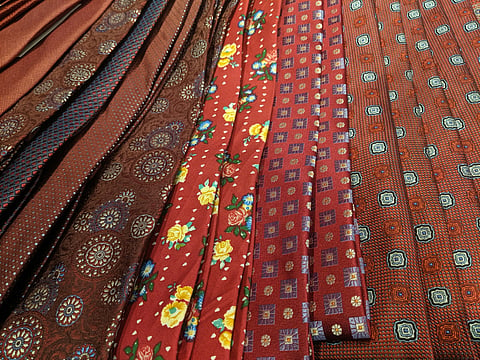
Indian fabrics and prints have long been admired for their intricate craftsmanship, rich heritage, and vibrant aesthetics. Over the years, these textiles have not only retained their cultural value at home but have also been embraced and adapted by the West in fashion, décor, and design.
One of the most iconic Indian contributions to global fashion is the use of hand-block printing, especially from regions like Rajasthan. Prints like Bagru and Sanganeri, known for their floral motifs and earthy colour palettes, have found a place in western clothing brands looking to add artisanal charm to their collections. These prints often appear on summer dresses, scarves, and even home linens, bringing a rustic elegance that resonates with global audiences.
Fabrics like khadi and cotton, deeply rooted in India’s independence movement and sustainable ethos, have also made their way into international fashion. Designers in the West have embraced khadi for its raw texture, breathability, and organic appeal—qualities that align perfectly with the growing global shift toward conscious fashion. Similarly, Indian silks, particularly Banarasi and tussar, have been reinterpreted in modern silhouettes—think evening gowns, structured blazers, or even luxury loungewear.
Tie-dye techniques like Bandhani from Gujarat and Leheriya from Rajasthan have also seen a revival, especially during the pandemic when DIY and handmade aesthetics surged in popularity. Western brands reimagined these age-old crafts with contemporary cuts and colour palettes, making them trend-worthy while preserving their artisanal essence.
Paisley, originally a motif from Kashmir, became a staple in British and American fashion in the 18th and 19th centuries and remains a recurring pattern even today—seen on everything from designer scarves to high-street apparel.
This cultural exchange, however, is evolving. Where earlier Western adaptations sometimes overlooked the origins of these crafts, there is now a more conscious effort to collaborate with Indian artisans and credit traditional techniques. The West’s embrace of Indian fabrics is no longer just about exoticism—it’s about valuing craftsmanship, sustainability, and stories woven into every thread.
