
- LIFESTYLE
- FASHION
- FOOD
- ENTERTAINMENT
- EVENTS
- CULTURE
- VIDEOS
- WEB STORIES
- SPORTS
- GADGETS
- CAR & BIKE
- TRAVEL
- SOCIETY
- GALLERIES
- NORTH EAST
- INDULGE CONNECT
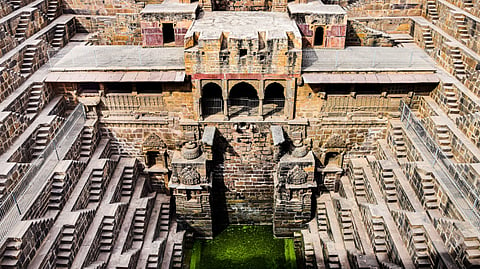

Long before modern water systems, stepwells helped communities store water and reach it throughout changing seasons. Built mainly in regions where rainfall was scarce or irregular, these underground structures featured flights of steps leading down to wells or reservoirs. Their designs were both practical and artistic. Repeating staircases, symmetrical layouts, geometric patterns, carved pillars and tiered galleries created striking visual effects while providing access to water. Many also offered shaded spaces for rest and religious activities. Constructed over centuries by rulers, merchants and royal patrons, these monuments reflect remarkable engineering skills and regional craftsmanship.