
- LIFESTYLE
- FASHION
- FOOD
- ENTERTAINMENT
- EVENTS
- CULTURE
- VIDEOS
- WEB STORIES
- SPORTS
- GADGETS
- CAR & BIKE
- TRAVEL
- SOCIETY
- GALLERIES
- NORTH EAST
- INDULGE CONNECT

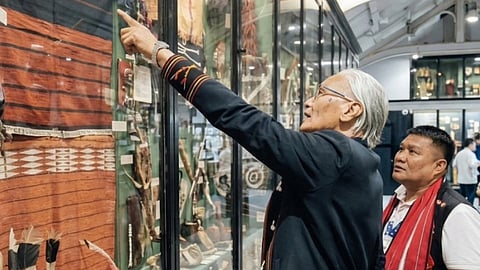
The University of Oxford’s Pitt Rivers Museum formally handed over the ancestral remains of 39 Naga individuals to a delegation from Nagaland, ending more than a century of colonial-era retention in the United Kingdom. Most of the remains — primarily human skulls — were taken between 1910 and 1940 by British colonial administrators and anthropologists, notably John Henry Hutton and James Philip Mills.
Museum records indicate the remains were often confiscated during punitive British military expeditions rather than freely given. For decades, the museum displayed several of the skulls under a colonial framing of Naga headhunting trophies. Naga researchers and elders challenged this portrayal, emphasising that Naga communities revered and cared for the remains of their own dead.
In 2020, as part of an ethical and decolonisation review, the Pitt Rivers Museum removed all human remains from public display. This prompted a community-led dialogue facilitated by the Forum for Naga Reconciliation and its research team, Recover, Restore and Decolonise. A Naga delegation visited Oxford, paid homage to the ancestors with traditional shawls and issued a unanimous intertribal declaration formally requesting their return last year.
Earlier this year, Oxford University’s Council approved the repatriation of 39 remains whose Naga provenance was clearly established (one additional remain was excluded due to unclear origin). The Pitt Rivers Museum’s wider catalogue still holds 178 Naga cultural objects that contain or may contain human hair (such as ceremonial weaponry and keepsakes), which remain subject to future community discussions.
The physical repatriation from the UK to Dimapur, Nagaland, was supported by The Homebound Project, a non-profit organisation that assists Indigenous communities in reclaiming ancestral remains. Naga communities agreed to lay all 39 ancestors to rest together beneath a shared memorial at Naga Solidarity Park in Kohima, intended as a symbol of unity, peace and healing.
For more updates, join/follow our WhatsApp, Telegram and YouTube channels.