
- LIFESTYLE
- FASHION
- FOOD
- ENTERTAINMENT
- EVENTS
- CULTURE
- VIDEOS
- WEB STORIES
- SPORTS
- GADGETS
- CAR & BIKE
- TRAVEL
- SOCIETY
- GALLERIES
- NORTH EAST
- INDULGE CONNECT

India is a treasure trove of embroidery crafts. The opulent Zardozi is one of them among its vast repertoire, introduced to India in the Mughal era. Zardozi is a Persian word where ‘Zar’ means gold and ‘Dosi’ stands for embroidery. This meticulous and labour-intensive craft had dressed the aristocracy in the past with its lustrous allure and in modern times, it has found a place in India’s ethnic wear -- shararas, lehengas, kurtas, churidars, sherwanis and more worn on occasions and weddings.
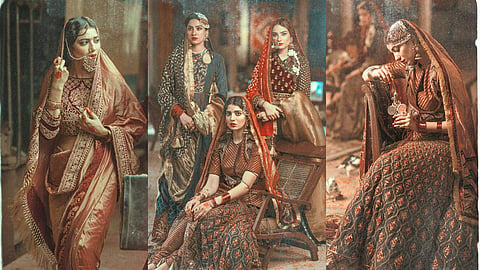
As the wedding season is upon us, we revive the magic of this craft with Divani, a label which has been preserving this craft of Hindostan for the last decade. Having completed 10 years in the industry, last month, the brand launched an evocative campaign titled Mubarak 10 Baras that spotlights its The Zardoz Project.
The project has been at the heart of the label since its inception in 2013, creating an ecosystem for the zardozikars to sustain. At the same time, the label brings ensembles that revere the age-old craft but in a modern avatar for the modern Indian. Expect heirloom-worthy pieces crafted by master craftsmen from Lucknow, Benaras and Delhi. They work with bespoke techniques of pharishta, kutki, valhalla and khiccha that one may have heard only in the history books!
Telling us more about Zardozi craft revival, Sanya Dhir, Founder, Divani shares, “Our ten years have to be a culmination of many milestones, one of them is creating an ecosystem for the Zardozikar’s who are the foundation for the brand. These ten years have gone into making this foundation stronger, sustainable and profitable. We have a community of hundreds of artisans working for us across the country. They create ensembles that recite the memoirs of the bygone era. The inspiration for pieces is borrowed from Mughal architecture like khakhas and my nani’s (maternal grandmother's) Banarasi saris, hand-stitched gota-ghararas, shararas and lehengas. They portray motifs and colours plucked from the royal gardens.”
We asked Sanya, her fondest memory of this craft and found it is encased in her nani’s wedding trunk. “The exquisite Zardozi that I saw in her trousseau left a remarkable impact on me. The textile, the embroidery, the product everything was designed to perfection. My nani hailed from Lahore, and seeing the beautiful craft bringing together the culture of Hindostan inspired me to build what we see today.”
Recently, the label also started its Virasat initiative aimed at reviving family heirlooms. “Under the endeavour, we received prized possessions of families and gave life to heirlooms that have been handed over to generations. This gives us a sense of pride and responsibility making it the most memorable story of this project,” Sanya adds.
However, galvanising a crafts revival movement is often met with challenges. From how to sustain craft clusters, support artisan livelihood and access to resources to finding market acceptability, there are many obstacles. Sanya illumines, “The journey to preserve a craft is a long path, there is no destination, it’s an ongoing process. The toughest part has been to work with the unorganised sector. The artisans are blessed with talent and craft but the service and product industry wants deliveries on time, more so they want relevant products and price points. We have struggled to sustain these artists and the craft both at the same time. The aim is to provide them livelihood, more work and support and at the same time don’t compromise with the craft while also providing the market with the right product.”
Despite hurdles, Divani’s journey has met with acceptance. Sanya concludes, “When we started working with the zardoz, there was a limited audience who enjoyed it and cherished its roots and traditions in its early years. With every year, the community is growing and people are going back to their roots and cherishing their heritage and traditions. This change has been welcomed by us in various ways.”
Mail: priyamvada@newindianexpress.com
Twitter: @ranapriyamvada