
- LIFESTYLE
- FASHION
- FOOD
- ENTERTAINMENT
- EVENTS
- CULTURE
- VIDEOS
- WEB STORIES
- SPORTS
- GADGETS
- CAR & BIKE
- TRAVEL
- SOCIETY
- GALLERIES
- NORTH EAST
- INDULGE CONNECT
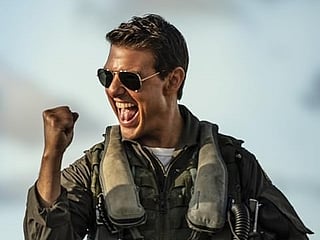

From the battlefield to the fashion runway, several wardrobe staples have a history rooted in military uniforms. Designed to meet the practical demands of soldiers, these garments and accessories gradually found their way into civilian wardrobes, evolving into timeless fashion essentials. Here are seven everyday clothing items that owe their origins to military use.
Originally designed for British soldiers in the 1930s, cargo pants featured large pockets that allowed troops to carry ammunition, maps and other essentials without needing additional bags. The practical design was later adopted by the American military during World War II. Their relaxed fit and multiple pockets eventually made them popular in civilian fashion, becoming a staple of casual and streetwear wardrobes.
Aviator sunglasses were developed in the 1930s for American military pilots who needed protection from the intense glare at high altitudes. Optical company Bausch & Lomb designed lenses that could shield pilots' eyes while providing a wide field of vision. Initially issued to US Army Air Corps pilots, they later became a fashion statement, popularised by Hollywood celebrities and adopted by generations of eyewear enthusiasts.
Bomber jackets trace their origins to World War I, when pilots needed warm clothing to withstand freezing temperatures inside open cockpits. Early versions were made from leather and featured snug cuffs and waistbands to retain body heat. During World War II, the US military introduced the iconic A-2 leather flight jacket. Later, the nylon MA-1 became popular, eventually transitioning from military gear into mainstream streetwear.
Chukka boots are believed to have gained popularity through British soldiers serving in the Western Desert Campaign during World War II. Inspired by traditional footwear worn in the region, they featured ankle-high uppers, open lacing and lightweight construction. Their comfortable design made them suitable for both casual and semi-formal occasions. Today, suede and leather chukka boots remain popular footwear choices.
The trench coat was developed for British military officers during World War I as a practical alternative to heavy military greatcoats. Made from weather-resistant gabardine fabric, it offered protection against rain and harsh battlefield conditions. Its shoulder epaulettes, storm flaps and belted waist served functional purposes. After the war, returning soldiers brought the style into civilian life, turning it into an enduring wardrobe classic.
Raglan sleeves, recognised by their diagonal seams extending from the underarm to the neckline, have military associations dating back to the 19th century. The design is named after Lord Raglan, a British military commander during the Crimean War, who reportedly wore a coat with this distinctive sleeve construction after losing an arm at the Battle of Waterloo. The design allowed greater ease of movement and accommodated his injury. Over time, raglan sleeves found their way into civilian clothing, particularly sportswear, sweatshirts and casual tops.
Jumpsuits have their roots in practical workwear and military flight suits, which were designed to offer pilots a single, protective garment that could be worn over their uniforms. During World War II, military aviators wore flight suits to stay warm and protect themselves from harsh conditions at high altitudes. The one-piece construction also made movement easier and reduced the need for multiple layers. Over the decades, the functional garment evolved into a fashion staple, appearing in everything from denim and tailored versions to utility-inspired designs.
For more updates, join/follow our WhatsApp, Telegram and YouTube channels.