
- LIFESTYLE
- FASHION
- FOOD
- ENTERTAINMENT
- EVENTS
- CULTURE
- VIDEOS
- WEB STORIES
- SPORTS
- GADGETS
- CAR & BIKE
- TRAVEL
- SOCIETY
- GALLERIES
- NORTH EAST
- INDULGE CONNECT

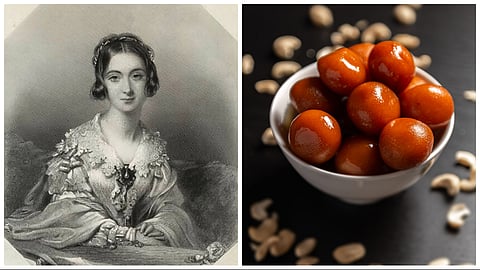
Ledikeni is among the staple sweets of Bengal, which is known to be a very unique version of gulab jamun. Ledikeni is deep-fried and then dipped in sugar syrup; however, the ingredient used in the preparation of the sweet is what makes it different from gulab jamun. While gulab jamun is made using khoya, or milk that has been reduced to a thick paste, ledikeni is made using chenna or split milk.
Lady Charlotte Canning was married to Lord Charles Canning, who was the last Governor-General and the first Viceroy and Governor-General of India. This took place because, after the 1857 Mutiny, India became the possession of the British Crown in 1858.
Mrs Canning was an enthusiastic traveller who travelled across India through carriages and palanquins. It is said that her letters expressed her great passion for war and politics and not just social entertainment, which was expected of the Viceroy’s wife.
This dessert is often attributed to the famous Kolkata sweets maker Bhim Chandra Nag. This sweetshop run by him is considered one of the most famous sweetshops in Kolkata and, according to this story, is still run by the sixth generation of his family. There are two stories regarding the origin of this dessert. The first story is that Bhim Chandra Nag invented it to honour Lady Charlotte Canning when she was visiting Bengal in 1856. The other story is that he invented it on her birthday in 1858.
The legend goes that Lady Canning loved this sweet so much that it got its name after her. 'Lady Canning' slowly changed into 'Lady Kenny,' which finally became ledikeni. According to reports, Lady Canning used to also order these reddish-brown chhena sweets for parties in her Calcutta residence. Consequently, people started going to Bhim Chandra Nag’s shop at Bowbazar to get the sweet named after the Vicereine.
For more updates, join/follow our WhatsApp, Telegram and YouTube channels.