
- LIFESTYLE
- FASHION
- FOOD
- ENTERTAINMENT
- EVENTS
- CULTURE
- VIDEOS
- WEB STORIES
- SPORTS
- GADGETS
- CAR & BIKE
- TRAVEL
- SOCIETY
- GALLERIES
- NORTH EAST
- INDULGE CONNECT

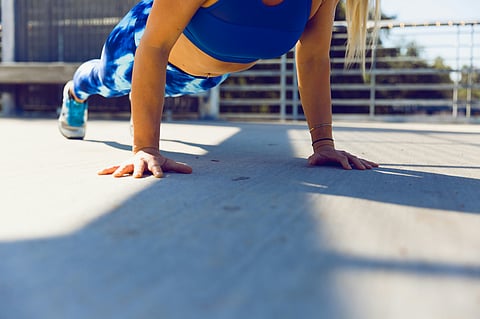
Mastering a foundational movement like the plank is one of the most efficient ways to build total-body strength without needing any specialized equipment. This isometric exercise involves holding your body in a straight line and engages multiple muscle groups simultaneously, making it an ideal addition to any home-wellness routine.
The plank is globally renowned for its ability to target and build your deep core muscles. It creates a robust midsection that provides essential stability for everyday movements by actively engaging your abdominals, obliques, and lower back simultaneously. Doing a plank regularly not only sculpts the midsection but also significantly reduces your risk of lower back strain during other physical activities.
Holding a proper plank encourages correct alignment across your spine, shoulders, and hips. Over time, this muscular awareness translates directly into your daily routine, helping you stand and sit taller with less fatigue. Keeping your core and back properly aligned relieves unnecessary pressure on your skeletal joints, fostering better overall posture and physical presence.
Since a plank requires your entire body to fight against gravity, it calls upon numerous stabilising muscles that often remain dormant. As you focus on keeping your form steady without swaying or sagging, your neuromuscular coordination naturally sharpens. Enhanced balance makes navigating daily physical tasks safer, more efficient, and structurally secure.
Despite being a stationary hold, the high-intensity engagement of major muscle groups makes the plank a surprising metabolic booster. Activating your chest, arms, core, and legs all at once increases your overall caloric expenditure compared to standard isolated crunches. When paired with a balanced lifestyle, regular incorporation helps support long-term weight management goals.
While primarily celebrated as a strength-building movement, planks also offer surprising mobility benefits. As you hold the position, the pose gently stretches and expands your posterior muscle groups, including your hamstrings, calves, and shoulder blades. This supportive flexibility protects your joints and prepares your body safely for subsequent workouts.
For more updates, join/follow our WhatsApp, Telegram and YouTube channels.