
- LIFESTYLE
- FASHION
- FOOD
- ENTERTAINMENT
- EVENTS
- CULTURE
- VIDEOS
- WEB STORIES
- SPORTS
- GADGETS
- CAR & BIKE
- TRAVEL
- SOCIETY
- GALLERIES
- NORTH EAST
- INDULGE CONNECT

Getting out of the car without straining, carrying grocery bags or climbing stairs are some of the skills associated with longevity that a recent study has highlighted. Your longevity and your ability to perform everyday tasks without assistance are interconnected.
How strength training helps you stay independent
Researchers found that older women with greater muscle strength, even when they weren’t doing high levels of cardio, had a significantly lower risk of death. Research suggests that strength is one of the clearest markers of healthy ageing.
In short, strength is a marker of resilience and longevity. For example, grip strength isn’t just about your hands. It is an indicator of your overall body strength and how physically robust you are.
Why strength matters more as we age
A study involving around 6,000 women found that greater grip strength and faster chair-stand times were associated with a lower risk of death over the follow-up period.
While grip strength was measured using a hand dynamometer, chair-stand time was measured by recording how quickly participants could stand up from a seated position five times without using their arms.
These may be simple tests, but they indicate how well a person’s strength and functional movement support them in everyday life.
Don’t be intimidated
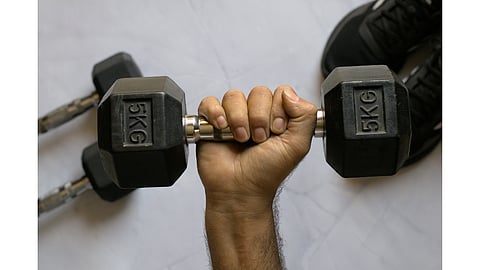
When we hear about strength training, many people wonder whether it is suitable for everyone or whether only those who started early in life can continue with it. But the truth is that the aim is not to become a bodybuilder or start lifting heavy barbells or using complicated gym machines. Resistance bands, bodyweight exercises, light dumbbells and guided strength programmes can all help build and maintain muscle.
Experts recommend resistance training at least two to three days a week. It doesn’t necessarily have to involve heavy weights, but the exercises should feel challenging.
Remember, every time you get up from a chair or off the toilet, you’re doing a squat. If you lose that ability, you lose a huge part of your independence.
If you find strength training overwhelming, start with the support of a trained professional who can teach you safe, effective movement patterns and help you build confidence.
You can also begin with exercises that mimic real-life movements. For example, squats or sit-to-stands can build lower-body strength for one of the most essential daily movements: getting up and down safely on your own.
Resistance-band exercises are a low-impact way to build strength at home without heavy equipment. Light weights or machine-based resistance training can help build muscle gradually in a safe, measurable way, especially for beginners.
Incorporate movement into your everyday routine, too. Carry your own shopping bags, open doors and ditch the lift in favour of the stairs. Yes, climbing stairs is also a good cardio workout!
Combining strength training with cardio can also help improve fitness, body composition and muscle tone. Ultimately, it’s about staying functional, maintaining your independence and giving yourself the best chance to age well.
—manuvipin@newindianexpress.com
@ManuVipin
For more updates, join/follow our WhatsApp, Telegram and YouTube channels.