
- LIFESTYLE
- FASHION
- FOOD
- ENTERTAINMENT
- EVENTS
- CULTURE
- VIDEOS
- WEB STORIES
- SPORTS
- GADGETS
- CAR & BIKE
- TRAVEL
- SOCIETY
- GALLERIES
- NORTH EAST
- INDULGE CONNECT

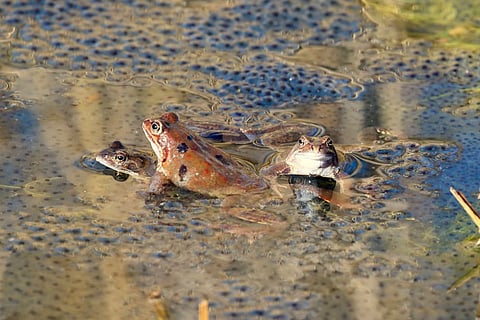
Come monsoon, the earth turns damp, and the air is filled with a chorus of croaks. Frogs, tailless amphibian vertebrates seem to appear out of nowhere, and one can find them hopping into gardens, puddles, paddy fields and wetlands. The frog calls and croaks have become synonymous to the monsoon, and for these little amphibians, the rains signal the beginning of one of the most important phases of their lives.
For several species, the monsoon marks the beginning of the breeding season. As rainwater fills waterbodies, it creates ideal nurseries for eggs and tadpoles. And some like the Malabar gliding frog doesn’t lay its eggs in water; it builds a foam nest instead. This is the time when the male frogs begin calling to attract females, with each species producing its own distinctive sound. These calls also help establish territories and warn competing males to keep their distance. When several frogs call together, their voices blend into a chorus that can echo across fields and wetlands.
The damp conditions in the atmosphere serve as an icing on the cake. Moist air helps prevent their sensitive skin from drying out, while rainfall brings an abundance of insects to feed on. Depending on the species and surroundings, some frog calls can travel considerable distances, helping potential mates locate one another.
This is also the time when frogs tend to feed on insects, including agricultural pests, making them valuable allies for farmers. They are also an important link in the food chain, providing nourishment for snakes, birds and other predators. Their tadpoles contribute to nutrient recycling in aquatic ecosystems.
If frogs tend to me more visible during the rains, where do they disappear to during the rest of the year? Many frog species escape the harsh summer months by taking refuge underground. This behaviour, known as aestivation, allows them to remain dormant, conserving energy until favourable conditions return. Some burrowing frogs spend months beneath the soil, almost as though nature has pressed the pause button on their lives. When the monsoon arrives, rising humidity and damp soil signal that it is time to emerge. Changes in atmospheric pressure may also provide cues that rain is approaching.
Frogs are also considered indicators of environmental health. Their permeable skin makes them particularly vulnerable to pollution and habitat changes. The next time you spot a frog during the rains, it is a sign of life returning, ecosystems renewing themselves and these amphibians playing a crucial part in keeping the nature in balance.
For more updates, join/follow our
https://www.whatsapp.com/channel/0029Vb677uz60eBXiDYheb0n