
- LIFESTYLE
- FASHION
- FOOD
- ENTERTAINMENT
- EVENTS
- CULTURE
- VIDEOS
- WEB STORIES
- SPORTS
- GADGETS
- CAR & BIKE
- TRAVEL
- SOCIETY
- GALLERIES
- NORTH EAST
- INDULGE CONNECT
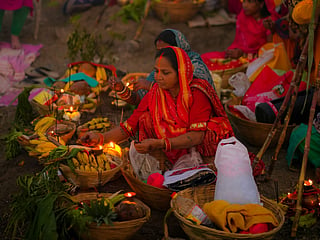

Chhath Puja is widely recognised for its elaborate offerings and prayers to the Sun God. However, beyond the evening and morning rituals, the four-day festival observed particularly in Bihar, Jharkhand and eastern Uttar Pradesh has several fascinating customs rooted in folk traditions, discipline and devotion. Here are five you may not know about.
On the night of Chhath, some families perform Kosi Bharna by arranging sugarcane stalks into a small canopy or mandap. Earthen lamps, fruits and prasad are placed underneath it. The ritual is associated with prayers for family well-being, prosperity and the fulfilment of wishes.
Offerings are traditionally arranged in bamboo winnowing baskets called soop and larger baskets known as daura. Family members often carry these baskets to the riverbank or ghat, sometimes balancing them on their heads.
Thekua, a traditional sweet made using wheat flour, jaggery and ghee, is one of the most important offerings during Chhath. It is traditionally prepared at home as prasad and distributed among family members, neighbours and devotees.
Traditional Chhath songs, particularly in Bhojpuri, Maithili and other regional languages, accompany the preparations and rituals. They celebrate Chhathi Maiya, express devotion and preserve stories and customs passed down through generations.
Unlike many other forms of Surya worship, Chhath includes offerings to the setting sun during Sandhya Arghya and the rising sun during Usha Arghya. The two rituals express gratitude for the sun's life-sustaining energy and mark the festival's central observance.