
- LIFESTYLE
- FASHION
- FOOD
- ENTERTAINMENT
- EVENTS
- CULTURE
- VIDEOS
- WEB STORIES
- SPORTS
- GADGETS
- CAR & BIKE
- TRAVEL
- SOCIETY
- GALLERIES
- NORTH EAST
- INDULGE CONNECT
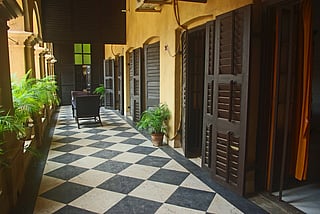

Before imported marble, vitrified tiles and glossy modern flooring became popular, Indian homes had their own distinctive vocabulary of floor designs. Made using locally available stone, cement, lime and natural pigments, these surfaces were often designed to suit the climate while adding character to a home. With time, many gradually disappeared from newer constructions, replaced by mass-produced alternatives. Here are 10 traditional Indian flooring styles that deserve a comeback.
A familiar sight in older Bengali homes, red oxide flooring is known for its deep terracotta-red colour and smooth, polished finish. Made using cement and iron oxide pigments, the flooring creates a seamless surface without conventional tile joints. Its understated appearance, cool feel underfoot and ability to complement both traditional and contemporary interiors make it a timeless choice.
A staple in mid-century Indian homes, terrazzo flooring combines marble, granite or other stone chips with cement, which is then ground and polished to create a smooth surface. The colourful speckled patterns, sometimes separated by brass or metal strips, make every floor visually distinctive. Its versatility allows homeowners to experiment with colours, patterns and borders.
Originating in the Chettinad region of Tamil Nadu, Athangudi tiles are handmade cement tiles known for their intricate geometric and floral patterns. Crafted using glass plates and metal stencils, they feature vibrant combinations of red, green, yellow, blue and white.
Also known as Cuddapah stone, this natural limestone is recognised for its dark grey to black appearance. Popular in South Indian homes, it is valued for its durability, understated finish and relatively easy maintenance. Its naturally earthy appearance makes it suitable for courtyards, verandas, kitchens and living spaces.
Quarried in Rajasthan, Kota stone is a fine-grained limestone traditionally used in homes, public buildings and courtyards across India. Its characteristic blue-green and brownish-grey shades give interiors a natural, understated appearance. It is also durable and relatively easy to maintain, making it a practical alternative to heavily polished flooring materials.
Known for its warm golden-yellow colour, Jaisalmer stone has long been used in Rajasthan's architecture, including havelis, temples and palaces. Its natural variations and subtle patterns lend warmth to interiors without requiring elaborate decoration. The stone can be used in large slabs or smaller patterned arrangements, making it suitable for both traditional and contemporary spaces.
Terracotta flooring uses baked clay tiles or bricks to create warm, earthy surfaces with a natural finish. Traditionally arranged in herringbone patterns or geometric designs, these floors can add texture and character to both indoor and outdoor spaces. They keep interiors relatively cool during hot weather. Durable and suited to different weather conditions when properly installed and maintained, they work well in courtyards, verandas and living spaces.
Chequered marble flooring features large square slabs of contrasting black and white marble arranged in a chessboard pattern. Traditionally associated with grand halls, stately homes and palaces, this design lends an elegant and structured appearance to interiors. The striking contrast between the two colours makes it a statement feature, particularly in spacious living rooms and entrance halls.
For more updates, join/follow our WhatsApp, Telegram and YouTube channels.