
- LIFESTYLE
- FASHION
- FOOD
- ENTERTAINMENT
- EVENTS
- CULTURE
- VIDEOS
- WEB STORIES
- SPORTS
- GADGETS
- CAR & BIKE
- TRAVEL
- SOCIETY
- GALLERIES
- NORTH EAST
- INDULGE CONNECT

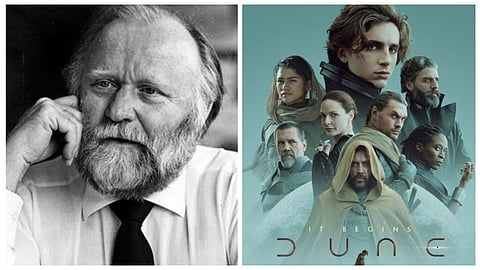
Artificial intelligence is increasingly becoming part of our daily lives, whether it be writing, researching, learning, or making decisions. However, long before artificial intelligence became a topic of common discussion, Frank Herbert warned us of the perils of dependency on technology in his 1965 science-fiction novel, Dune. The threat posed was not only due to increased capabilities of machines but because humans themselves had ceased to be in control of their own minds.
One of the novel’s most striking passages captures this concern: “Once men turned their thinking over to machines in the hope that this would set them free. But that only permitted other men with machines to enslave them”.
The story takes place several thousand years into the future, with the Butlerian Jihad happening about 10,000 years prior to the time of Paul Atreides. The struggle was a large-scale rebellion against the thinking machines which had taken over humanity. It led to a complete ban on making any machines resembling humans.
This prohibition gave birth to the society portrayed in Dune. As opposed to developing sophisticated computers and using artificial intelligence, humanity utilised their natural capabilities. Mentats, people trained to do such things, did all the calculations, analysis, and logical decision-making. This was done as a way of protecting human intelligence from being replaced by machines.
The major technology corporations are pouring lots of money into AI development, and people are using these systems more and more to write, do research, solve problems and make decisions in daily life. With the increased dependence, control over the technologies raises issues of power. People who control such powerful AI technologies have power over the information.
The warning from Frank Herbert also relates to the themes of power concentration, exploitation of nature and freedom of individuals in the novel. The connection here is in the link between the advancement of technology and human dominance.
For more updates, join/follow our WhatsApp, Telegram and YouTube channels.