
- LIFESTYLE
- FASHION
- FOOD
- ENTERTAINMENT
- EVENTS
- CULTURE
- VIDEOS
- WEB STORIES
- SPORTS
- GADGETS
- CAR & BIKE
- TRAVEL
- SOCIETY
- GALLERIES
- NORTH EAST
- INDULGE CONNECT

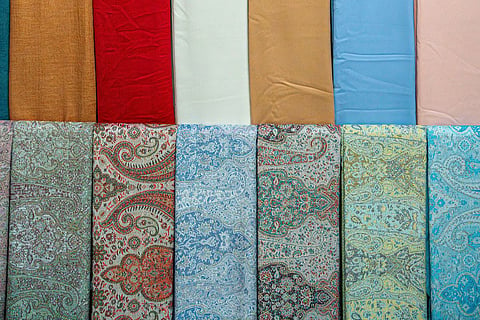
If you happen to own a pashmina shawl, chances are that you have admired the fabric for its softness, marvelled at how light it feels and perhaps wondered how something so delicate is made. The answer lies in the high-altitude landscapes of Kashmir and Ladakh, with a rather unassuming animal-the Changra goat.
Also known as the Pashmina goat, the Changra is traditionally associated with the Kashmir Valley and the high-altitude Changthang region of Ladakh. Here, the landscape is as dramatic as it is unforgiving. Temperatures can plunge well below freezing, vegetation is sparse and strong winds sweep across the rugged plateau. The Changra, however, is built for this life.
Hardy and remarkably adaptable, the goat thrives in extreme cold and at high altitudes. Its most valuable feature is hidden beneath its coarse outer coat. During winter, it develops an exceptionally fine, insulating undercoat known as pashm, which helps it retain body heat in the Himalayan cold.
This natural adaptation is what makes the Changra integral to the story of pashmina. For centuries, the goats have been traditionally reared by the nomadic pastoral communities, particularly the nomadic Changpa people of Ladakh. Their lives and livelihoods have long been closely connected to these animals, with herding taking place across some of the most challenging terrain in the region.
The Changra produces only a small quantity of the precious fibre — typically around 80 to 170 grams of pashm per goat each year. That limited yield is one reason genuine pashmina is so prized. It is said that the Changthangi goats have revitalised the poor economy of Changthang, Ladakh where the wool production generates more than $8 million a year.
When spring arrives, the goats naturally shed their winter undercoat. The fine fibres are traditionally collected by carefully combing the animals rather than shearing them. The raw pashm then undergoes several stages of cleaning, sorting and spinning before it reaches skilled artisans, who transform the yarn into the delicate shawls, scarves and textiles associated with Kashmiri craftsmanship.
The journey from goat to finished pashmina is anything but quick. Much of the process remains labour-intensive, relying on generations of knowledge passed down among herders and artisans. What eventually appears as an impossibly soft luxury accessory has travelled from a Himalayan pasture through the hands of spinners and weavers before reaching a shop or wardrobe.
For the communities that rear them, Changra goats are not simply the source of a luxury fibre. They are part of a traditional way of life shaped by the seasons, the mountains and the demands of pastoralism.
The Changra is also a reminder that some of the world's most coveted materials begin with nature's most practical solutions. Its fine undercoat was never designed for fashion; it evolved to keep a small Himalayan goat alive.
For more updates, join/follow our
https://www.whatsapp.com/channel/0029Vb677uz60eBXiDYheb0n