
- LIFESTYLE
- FASHION
- FOOD
- ENTERTAINMENT
- EVENTS
- CULTURE
- VIDEOS
- WEB STORIES
- SPORTS
- GADGETS
- CAR & BIKE
- TRAVEL
- SOCIETY
- GALLERIES
- NORTH EAST
- INDULGE CONNECT

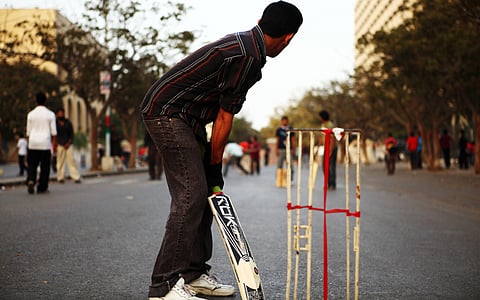
Cricket in India is far more than a spectator sport played inside packed stadiums; it is a sprawling, multi-tiered ecosystem played across streets, open grounds and modern sporting complexes. Far from being random casual pastimes, community cricket across the subcontinent falls into distinct, highly organised categories shaped by local terrain, equipment and urban architecture.
The most ubiquitous category remains street and gully cricket. Typically played in residential lanes, housing society driveways and dead-end alleys, this format relies on hyper-local regulations to navigate tight spatial limits. Players utilise lightweight rubber or soft tennis balls, adapting the game with ground-specific rules such as direct boundary bans, runs awarded for wall strikes and automatic dismissals for hitting passing vehicles or breaking windows.
Progressing towards open spaces, heavy tennis ball and tape ball cricket form the second major category. Deeply popular in suburban and rural belts, this format introduces intense competitive structure. Players wrap electrical insulation tape tightly around tennis balls to mimic the pace, reverse swing and bounce of a leather ball. These matches regularly headline high-stakes seasonal night tournaments played under floodlights, often attracting thousands of spectators and substantial prize money.
Over the past decade, rapid urban densification has propelled a third dominant category: commercial box and rooftop turf cricket. Played inside enclosed artificial turf arenas lined with netting, box cricket has transformed the sport into a fast-paced, hourly recreational product. With rebound scoring zones, continuous play and six-a-side teams, it caters largely to working professionals and student groups seeking swift, weather-proof evening fixtures.
Finally, traditional maidan and amateur leather-ball leagues constitute the formal bedrock of community cricket. Rooted in historic multi-pitch commons, these competitive weekend divisions adhere strictly to the traditional laws of cricket, complete with red balls, whites and full protective gear. Together, these four distinct formats reflect the remarkable ingenuity of Indian society, ensuring that the sport adapts to every environment and remains endlessly accessible.
For more updates, join/follow our WhatsApp, Telegram and YouTube channels.