
- LIFESTYLE
- FASHION
- FOOD
- ENTERTAINMENT
- EVENTS
- CULTURE
- VIDEOS
- WEB STORIES
- SPORTS
- GADGETS
- CAR & BIKE
- TRAVEL
- SOCIETY
- GALLERIES
- NORTH EAST
- INDULGE CONNECT

A meal in Hue can arrive in a procession of small dishes. There are rice cakes no bigger than a teacup, dumplings folded into banana leaves and translucent parcels filled with shrimp. Each has its own texture and seasoning, and none requires a grand dining room to be enjoyed properly. A few streets away, a vendor might be ladling a chilli-red broth into bowls of bún bò Huế, the city's famously robust beef noodle soup.
The contrast gets to the heart of Hue's food culture. For more than a century, the city served as Vietnam's imperial capital under the Nguyễn dynasty, which ruled from 1802 to 1945. The royal kitchens developed an elaborate culinary tradition, with careful preparation and attention to presentation. Outside the palace, households and street vendors built their own repertoire around rice, seafood, herbs and the pungent fermented seasonings of central Vietnam. Both traditions remain part of the city's appetite today.
Hue's imperial cuisine was shaped by the demands of the court. Meals for the emperor and royal family followed established conventions, with cooks selecting ingredients and preparing dishes according to rules of presentation and service. The result was a cuisine in which appearance mattered alongside flavour.
Some royal dishes were intricate creations, shaped and decorated to resemble flowers or auspicious creatures. Others relied on the careful treatment of familiar ingredients. The point was not simply to make food look extravagant. Preparation, balance and the order in which dishes appeared were all part of the dining experience.
After the monarchy ended, elements of this culinary tradition survived through families, former palace cooks and restaurants that adapted court-style meals for modern diners. Today, restaurants in Hue offer set menus inspired by royal banquets, though contemporary recreations should not automatically be mistaken for exact replicas of historical meals.
For visitors curious about this side of the city, a traditional garden-house restaurant can be a useful introduction. Look for menus that explain the dishes rather than presenting them as an anonymous sequence of decorative plates. Knowing what goes into a dish makes its craftsmanship easier to appreciate.
The most revealing way into Hue's food culture may be through its family of savoury rice cakes, collectively known as bánh dishes. They are sold in markets, specialist eateries and modest neighbourhood shops, often ordered in several varieties for one meal.
Bánh bèo consists of small steamed rice cakes served in shallow cups, topped with dried shrimp, scallion oil and crispy pork or other crunchy additions. A little fish sauce brings the flavours together. The cakes are soft and delicate, while the toppings provide saltiness and crunch.
Then there is bánh nậm, a flat rice-flour dumpling spread thinly over a banana leaf and filled with shrimp and pork before steaming. Unfolding the leaf reveals a soft, almost translucent layer of rice paste with the filling running through its centre.
For a different texture, try bánh bột lọc. These chewy, translucent dumplings are made with tapioca starch and commonly filled with shrimp and pork. Some are steamed in banana leaves; others are served without wrapping. Their elastic texture is part of the appeal.
Order a plate of bánh ram ít, too, if it is available. It pairs a crisp fried rice cake with a soft steamed dumpling, bringing two very different textures together in one bite. These snacks are easy to underestimate, but the work involved in getting their proportions and consistency right is considerable.
No exploration of the city is complete without bún bò Huế. Often compared with Hanoi's phở, it is a very different proposition. The broth is rich with lemongrass and fermented shrimp paste, known as mắm ruốc, and usually carries a noticeable chilli heat. Thick round rice noodles sit beneath slices of beef and, depending on the shop, pork or other toppings.
The fermented shrimp paste gives the broth its depth, while lemongrass contributes a fresh, citrusy fragrance. Chilli oil adds colour and heat. The bowl is commonly served with herbs and other accompaniments that diners can adjust to their taste.
Find a busy breakfast stall and watch the rhythm of service: noodles portioned into bowls, broth ladled over them, herbs added at the end. This is not ceremonial cooking, yet the same attention to seasoning that defines Hue's more elaborate dishes is present here. The soup has become a national favourite, but eating it in the city that bears its name offers a chance to explore the variations between individual cooks.
Another local speciality takes its ingredients from the waterways around Hue. Cơm hến combines rice with small freshwater mussels, herbs, roasted peanuts, crispy toppings and a bold seasoning of fermented shrimp paste. Chilli is often added generously. The dish can be served with a little broth on the side, allowing diners to adjust the consistency as they eat.
It is particularly associated with Cồn Hến, an islet in the Perfume River. Here, the mussels are more than a garnish. They anchor a dish that brings together contrasting temperatures, textures and flavours, from warm rice to crunchy peanuts and aromatic herbs.
For a different expression of Hue's regional palate, try bánh khoái, a small, crisp rice-flour pancake filled with shrimp, pork and bean sprouts. It is served with fresh greens and a thick dipping sauce, often made with peanuts and other savoury ingredients. The pancake is richer than the delicate steamed cakes, but the herbs and dipping sauce help keep the meal lively.
Hue also has a long vegetarian tradition associated in part with Buddhist practice. Vegetarian meals can range from simple rice and vegetable dishes to elaborate preparations using tofu, mushrooms and plant-based ingredients. Some restaurants offer extensive vegetarian menus, making the city a worthwhile stop for travellers interested in how religious life shapes everyday food.
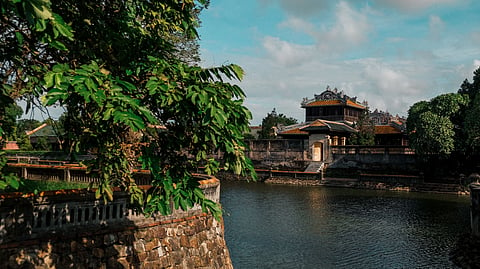
Between meals, visit the Imperial City, explore the old streets or follow the Perfume River towards the city's historic pagodas and garden houses. These places help explain the setting in which Hue's court culture developed, although the city's food traditions have always extended beyond the palace walls.
Eating well here does not require a royal banquet. Start with a bowl of bún bò Huế, return for a plate of rice cakes, and leave time for cơm hến. The city's culinary history becomes clearer with every small dish, each carrying a different part of Hue's story.
For more updates, join/follow our WhatsApp, Telegram and YouTube channels.