
- LIFESTYLE
- FASHION
- FOOD
- ENTERTAINMENT
- EVENTS
- CULTURE
- VIDEOS
- WEB STORIES
- SPORTS
- GADGETS
- CAR & BIKE
- TRAVEL
- SOCIETY
- GALLERIES
- NORTH EAST
- INDULGE CONNECT

The cry of txotx signals that a cider barrel has been opened in a traditional Basque cider house. Diners gather around the kupela, or wooden barrel, and take turns catching the cider as it streams into their glasses. The ritual is repeated throughout the meal, which traditionally includes cod, grilled steak and cheese. It is a seasonal dining custom that reflects the relationship between the region's agricultural economy and its social life.
The cider houses that bring people together
Known as a sagardotegi, the traditional cider house developed from the cider-producing farmsteads of the Basque Country, particularly in Gipuzkoa. Apple pressing took place on the premises, using equipment called a tolare. The cider was stored in barrels, where producers could offer samples to potential buyers before bottling and selling their harvest.
These spaces gradually developed into dining establishments where people could taste the new cider directly from the barrel. The tradition continues during the cider season, which generally runs from January to May. Producers open their cellars to visitors, maintaining the relationship between cider production and communal meals.
The traditional cider house menu is closely associated with the region's food economy. It often begins with a cod omelette, followed by salted cod served with peppers. A large grilled steak comes next, with cheese, quince paste and walnuts completing the meal. The exact menu can vary between establishments.
Cod has a long history in Basque cooking. The region's maritime economy and fishing networks helped make preserved fish an important ingredient. Salted cod could be transported and stored, making it useful in households and commercial kitchens. Preparations such as bacalao al pil-pil and bacalao a la vizcaína demonstrate the variety of techniques developed around the fish.
Cider production, meanwhile, reflects the agricultural character of the region. Traditional apple orchards supplied the fruit, while presses and storage cellars formed part of the rural economy. Basque cider is generally made through natural fermentation, producing a drink that differs from many commercially produced sweet ciders.
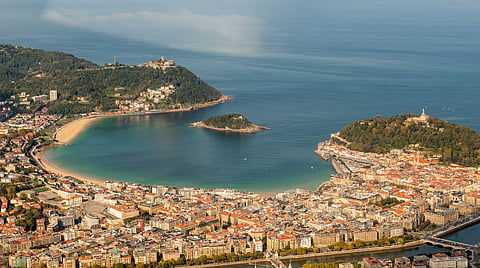
Communal dining is also associated with another institution, the txoko, or gastronomic society. These private associations are particularly associated with San Sebastián and other Basque towns. Members share access to a kitchen and dining space, purchase ingredients and prepare meals collectively.
Research by sociologist Andreas Hess traces the development of these societies to the social changes taking place in San Sebastián during the nineteenth century. The city was expanding as transport connections improved, tourism developed and people migrated from surrounding rural areas. The societies emerged as places where working communities could meet, cook and maintain social networks outside commercial restaurants.
A txoko generally operates through membership, shared expenses and an established set of rules. Members may reserve the premises, organise a meal and take responsibility for cooking and cleaning. Some societies also hold cooking competitions and participate in local celebrations.
However, the history of these institutions is not without its exclusions. Many gastronomic societies were historically male-dominated, with women restricted from becoming members or using their kitchens. Research documents how these restrictions varied between societies and gradually became less rigid in some places. Others have maintained male-only membership. This remains an important part of understanding their social history.
The kuadrilla, a close circle of friends who regularly meet for meals and social occasions, provides another example of the importance of shared dining. These groups often maintain relationships over many years, with familiar restaurants, bars and social spaces forming part of their routines.
The region's communal dining traditions coexist with an internationally recognised restaurant culture. San Sebastián has become particularly associated with contemporary Basque cooking, including the development of pintxos, small preparations traditionally served in bars. These are often eaten while moving between establishments, creating another form of social dining.
Yet the cider house and txoko retain a different purpose. They are spaces where the process of preparing and sharing food is part of the gathering itself. The cider is poured directly from the barrel, the food is served for the table and the responsibility for cooking may be shared among those present.
The Basque Country's dining culture has therefore developed through both everyday social practices and organised institutions. Its communal meals reveal a history in which food production, friendship and local identity have often occupied the same table.
For more updates, join/follow our WhatsApp, Telegram and YouTube channels