
- LIFESTYLE
- FASHION
- FOOD
- ENTERTAINMENT
- EVENTS
- CULTURE
- VIDEOS
- WEB STORIES
- SPORTS
- GADGETS
- CAR & BIKE
- TRAVEL
- SOCIETY
- GALLERIES
- NORTH EAST
- INDULGE CONNECT
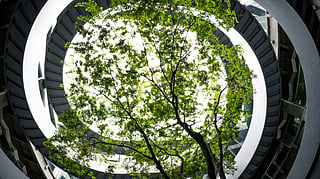

We spend much of our lives surrounded by concrete, glass, artificial light and air-conditioning, with nature increasingly becoming something we have to make time for. Our homes, too, can end up feeling removed from the natural world. Biophilic design is an approach to architecture and interiors that intentionally incorporates elements of nature, natural materials, light, airflow, views and spatial patterns into the built environment.
There is growing evidence that biophilic design interventions can influence how we experience indoor spaces. A 2025 systematic review of 124 studies found that biophilic interventions involving greenery, natural light and other natural elements were associated with reduced stress and improved mood in confined settings, including hospitals and eldercare environments. Research by environmental psychologist Roger Ulrich found that patients recovering from surgery who had a window view of trees had better outcomes than those facing a brick wall.
Biophilic design is not simply an aesthetic choice. By incorporating natural elements into the spaces where we live, it can have an impact on stress, mood and overall mental wellbeing.
Here are five simple ways to introduce biophilic design into your everyday spaces.
Keep windows unobstructed where possible and arrange furniture so daylight can reach more of the room. Natural light is one of the simplest ways to make an indoor space feel more connected to its surroundings.
Plants are an easy starting point, but choose them according to the light, humidity and space available rather than simply filling every surface with greenery. Think about where a plant will actually thrive before bringing it home.
Wood, stone, bamboo, linen and cotton can introduce natural textures into a room. They can be used in everything from flooring and furniture to smaller details such as baskets, curtains and cushions.
A window overlooking a tree, garden or even a patch of sky can become part of the experience of a room. This connects with shakkei, the Japanese idea of “borrowed scenery”, where elements beyond a garden, such as mountains or trees, are deliberately incorporated into its composition.
Where the climate and design of the home allow it, natural ventilation can introduce changing temperatures and air movement. Openable windows, courtyards and balconies can help bring these natural variations indoors.