
- LIFESTYLE
- FASHION
- FOOD
- ENTERTAINMENT
- EVENTS
- CULTURE
- VIDEOS
- WEB STORIES
- SPORTS
- GADGETS
- CAR & BIKE
- TRAVEL
- SOCIETY
- GALLERIES
- NORTH EAST
- INDULGE CONNECT

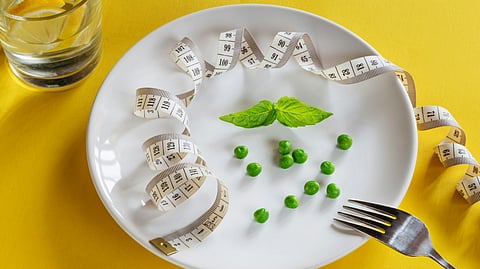
You've replaced your evening samosas with cucumber slices, watched the number on the weighing scale drop and smiled, thinking your new routine was finally paying off. But before you declare victory and stock up on cucumbers, there’s a catch. Weight loss and fat loss are not the same thing, even though social media often uses the terms interchangeably. And no, it’s not all rainbows and sunshine just because the scales are moving in the right direction.
Weight loss means a reduction in total body weight, which includes fat, water, muscle and other tissues. Fat loss specifically means reducing body fat. The distinction matters in India, where research has highlighted the South Asian thin-fat phenotype, in which someone can have a seemingly normal body weight or BMI but a relatively high body-fat percentage and greater abdominal fat. The Endocrine Society of India's obesity guidelines discuss this pattern, including research involving Indian populations.
Cucumbers, watermelon and other water-rich foods can support weight management, but they do not have a special fat-burning effect. Their advantage is low energy density, meaning they provide relatively few calories for their volume. They can help you feel fuller while consuming fewer calories, making a calorie deficit easier to maintain. No fruit or vegetable selectively melts belly fat.
Your body stores carbohydrates as glycogen in the liver and muscles, alongside water. When your food intake changes, glycogen stores can fall, releasing some of that water and causing an early drop in weight. That does not necessarily mean you've lost the same amount of body fat.
A sustained calorie deficit is central to weight loss, but how you achieve it matters. Adequate protein, balanced meals and resistance training can help preserve muscle while you lose weight. The ICMR-National Institute of Nutrition's Dietary Guidelines for Indians recommend balanced eating, regular physical activity and gradual weight reduction.
For Indian adults, waist circumference can also provide useful information about abdominal fat. The ICMR-NIN guidelines identify measurements above 90cm for men and 80cm for women as associated with increased risk of chronic lifestyle diseases. These are screening indicators, not a complete measure of body composition.
The scale tells you whether your total weight has changed, not what you have lost. Tracking longer-term trends, waist measurements and strength can offer a more useful picture than celebrating every kilo lost.
Email: anoushkakundu@newindianexpress.com
For more updates, join/follow our WhatsApp, Telegram and YouTube channels.