
- LIFESTYLE
- FASHION
- FOOD
- ENTERTAINMENT
- EVENTS
- CULTURE
- VIDEOS
- WEB STORIES
- SPORTS
- GADGETS
- CAR & BIKE
- TRAVEL
- SOCIETY
- GALLERIES
- NORTH EAST
- INDULGE CONNECT
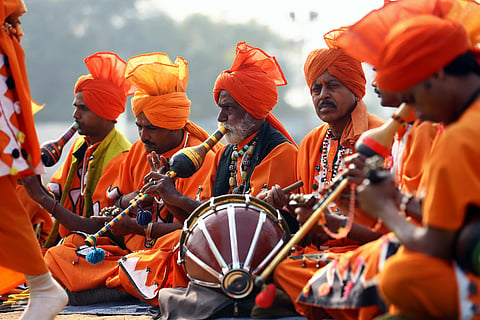
India's musical heritage is a treasure trove of unique and rare instruments, each embodying centuries of tradition and cultural nuance. These instruments, often handcrafted with precision, tell stories of diverse communities and their relationship with music. While some have faded from common use, their significance persists as custodians of India’s rich cultural legacy.
One such instrument is the rudra veena, an ancient stringed instrument deeply rooted in Indian classical music. Known for its deep, meditative sound, the rudra veena is associated with the dhrupad style of singing, which emphasizes purity and precision. Its construction, with large resonators made from gourds and a long tubular body, demands intricate craftsmanship. Played horizontally, it requires not just technical skill but also an understanding of its spiritual essence.
In the northeastern state of Manipur, the pena holds a special place in the region's cultural practices. This bowed instrument, made from bamboo and a dried coconut shell, is a staple of folk performances and rituals. The pena is more than an instrument; it serves as a medium for storytelling and a vehicle for preserving oral traditions. Its melancholic tones resonate deeply, reflecting the mysticism and vibrancy of Manipuri culture.
The nagfani, often found in tribal communities of central India, is another remarkable instrument. Shaped like a serpent, this wind instrument was historically used in war and ceremonial occasions. Its shrill and piercing sound serves as a powerful reminder of its symbolic role in community life, representing resilience and unity.
Moving to the southern regions, the chenda of Kerala is a percussion instrument known for its commanding presence in temple festivals and traditional dance forms like Kathakali. The chenda’s thunderous beats create a sense of grandeur and are often performed in ensembles, demonstrating the intricate rhythms of Carnatic traditions. Its cylindrical wooden body and stretched animal hide require artisans to practice age-old techniques, making each chenda unique.
Equally fascinating is the alghoza, a double-reed wind instrument popular in Rajasthan and Punjab. Played by simultaneously blowing into two pipes, it produces a harmonious melody, embodying the rustic charm of India’s desert and agrarian landscapes. Often played during folk dances, the alghoza carries the soul of pastoral communities.
These instruments, rare and deeply symbolic, offer a glimpse into India’s cultural diversity. They are not merely tools of music but vessels of heritage, embodying the creativity, spirituality, and traditions of countless generations. Their preservation is vital to safeguarding India’s artistic and cultural identity.
For more updates, join/follow our WhatsApp, Telegram and YouTube channels.
