
- LIFESTYLE
- FASHION
- FOOD
- ENTERTAINMENT
- EVENTS
- CULTURE
- VIDEOS
- WEB STORIES
- SPORTS
- GADGETS
- CAR & BIKE
- TRAVEL
- SOCIETY
- GALLERIES
- NORTH EAST
- INDULGE CONNECT

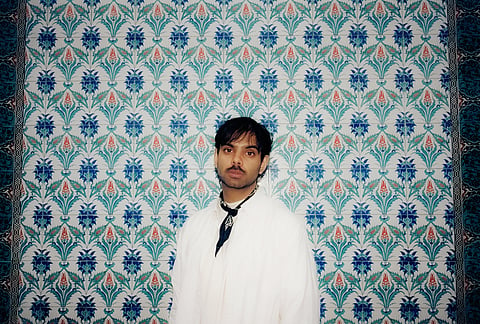
When the BBC announced its 2026 limited series Bait — written by and starring Riz Ahmed — the conversation around its soundtrack proved almost as compelling as the drama itself. Central to that conversation is Anish Kumar, a rising British-Indian electronic producer and DJ, whose most popular offering on the soundtrack is his Urdu-language reimagining of the Eurythmics’ 1983 anthem Sweet Dreams (Are Made of This).
The track does not simply translate — it is stripped of its cold, synth-driven certainty and rebuilt around something far more interior. The piece features vocals of Grammy-winning Pakistani singer Arooj Aftab, who replaces Annie Lennox’s powerful delivery with her signature neo-sufi style. As Bait’s protagonist, Shah Latif moves between his British upbringing and his South Asian heritage, the song conveys both belonging and estrangement.
Sweet Dreams is defined by its rigid, Annie Lennox vocal and relentless synth sequence. When translating this into Urdu with Arooj, how did you approach the production of the track to match her ethereal tone?
I tried to kee p the elements tight and grounded underneath Arooj’s fantastic vocal delivery. They don’t deviate far from the original, which I think is crucial, because the Eurythmics keep everything stripped, cold and sinister to allow the vocal to shine.
How did the phonetic flow of Urdu change the rhythmic pocket of the track?
This is all Arooj’s pen and brilliant mind; she’s written lyrics that intentionally mirror the rhythm of the original, even down to the call and response sections, so, I think she deserves massive kudos for this. It’s not easy to do this between such different languages!
Talk us through how you and Arooj decided to bring in your respective signature elements for this collaboration?
Riz and the music team had the vision to do a Sweet Dreams cover for the series and I had already worked with them for the track Lakshmi Express. When I learned Arooj was going to be singing the cover, I was very excited to see how we could tackle it together. It was a great experience and I learned a lot! What I hope people will grasp from the series is that we all live a plural existence — the labels ‘British’ and ‘South Asian’ apply to me, my music, but will mean different things to different people. It’s that confusing double narrative that has run through my mind and body throughout my whole life and I actively try not to think about it these days. I just allow whatever comes out creatively to come out without too much higher-brain involvement, and I trust my output to reflect this amalgamation of identity without being too intentional about making something sound a certain way, because that’s where one runs the risk of masquerading or reducing.