
- LIFESTYLE
- FASHION
- FOOD
- ENTERTAINMENT
- EVENTS
- CULTURE
- VIDEOS
- WEB STORIES
- SPORTS
- GADGETS
- CAR & BIKE
- TRAVEL
- SOCIETY
- GALLERIES
- NORTH EAST
- INDULGE CONNECT

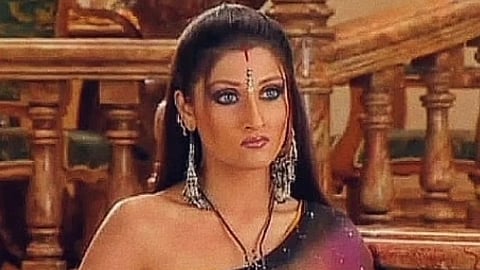
Indian TV soaps have had a defining role in shaping the bindi into a fashion symbol from its traditional marital significance. Since the latter half of the 1990s until the 2000s, Indian TV soaps fashion created visual symbols that were absorbed by millions every day. This evolution of bindi reflects changing perceptions of femininity and empowerment.
The trick to the evolution of bindi resides in how characters on TV opt for this mark to express their personality as well as their intentions. With this context, the early 2000s saw the entry of Ramola Sikand, with characters in Kaahin Kissii Roz sporting bindis that looked like tridents and snake designs, compelling women to go beyond the conventional point on their forehead. This was quickly followed by the entry of the character of Komolika Basu in Kasautii Zindagii Kay with bindis sporting a vertical, stone-studded trend along with makeup.
Jigyasa on Kasamh Se further emphasized bindis to be expressions of moods, tricks, and dominance by applying flamboyant patterns. This era marked the steady use of bindis not just as storytelling devices but as time-tested symbols. There was also the glamorous villain who normalized experimentation.
Kokilaben’s role in the evolution of bindi was unique because it was the first to bring a sense of strength and assertiveness to the fore within the tradition of daily wear and didn’t confine the powerful bindi to characters such as villains or the romantic ones. Kokilaben’s large and bright-colored bindi became a defining mark of the show Saath Nibhaana Saathiya (2010-2017) and was depicted by actress Rupal Patel.
The bindi of today is among the most compelling legacies that Indian television fashion has ever known. It is a testament to the fact that daily soaps not only rewrote narratives but redefined how a single cultural symbol might adapt to modernity, evolve, and consistently make a powerful visual statement across generations.