
- LIFESTYLE
- FASHION
- FOOD
- ENTERTAINMENT
- EVENTS
- CULTURE
- VIDEOS
- WEB STORIES
- SPORTS
- GADGETS
- CAR & BIKE
- TRAVEL
- SOCIETY
- GALLERIES
- NORTH EAST
- INDULGE CONNECT

Sicily's relationship with couscous is a useful place to begin understanding its food history. In Trapani, on the island's western coast, cuscus alla trapanese is prepared with semolina and served with a richly seasoned fish broth. Its closest culinary connections lie across the Mediterranean, particularly in the Maghreb. Yet the dish has developed its own regional identity, reflecting the long history of contact between Sicily and North Africa.
The many influences behind Sicily's cuisine
The island's position between Europe and Africa made it an important destination for traders and successive powers. Greek settlers established colonies in Sicily from the eighth century BCE, followed by Roman rule, Byzantine influence and the arrival of Muslim dynasties in the ninth century. The Normans took Palermo in 1072, completing their conquest of the island by 1091. Later periods of Angevin, Aragonese and Spanish rule added further layers to its cultural history.
Each period contributed to the island's agricultural and culinary development, although assigning individual dishes to a particular civilisation is often difficult.
Greek and Roman Sicily had established agricultural economies built around cereals, olives, grapes and livestock. Under Roman rule, the island became an important grain-producing region. Its agricultural output supplied markets beyond the island, reinforcing its position within the wider Mediterranean economy.
The period of Muslim rule brought important developments in agriculture and irrigation. Sicily was governed first by the Aghlabids, followed by the Fatimids and the Kalbid emirate. Palermo, then known as Balarm, became an important political and commercial centre.
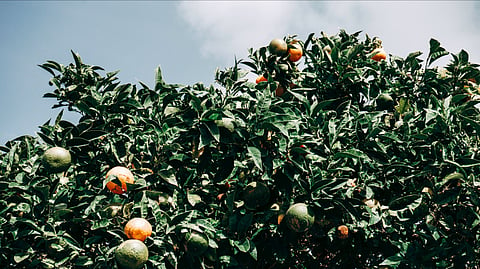
The agricultural changes associated with this period included the cultivation or increased importance of crops such as citrus fruits, sugarcane, rice, aubergines and certain spices. Irrigation knowledge also helped support more intensive cultivation. However, archaeological research cautions against describing this as the introduction of every crop from scratch. Some plants may already have existed in the Mediterranean, while others became more widespread or commercially significant during Islamic rule.
A study published in 2021, examining pottery residues from medieval Sicily, provides material evidence of changing food consumption during this period. Archaeobotanical findings from sites including Mazara del Vallo have identified citrus fruits, watermelon and aubergines in Islamic-era contexts. Such evidence offers a more precise picture of how ingredients became part of local food systems.
Sugarcane had a particularly lasting influence on Sicilian confectionery. Its cultivation and processing expanded the availability of sugar, creating new possibilities for sweet preparations. Almonds, pistachios and citrus also became important ingredients in the island's desserts. Their continued use is visible in traditional preparations such as cassata and marzipan-based sweets.
Sicily's relationship with Arab culinary traditions is also reflected in savoury food. Couscous in Trapani is generally associated with the island's western coastal communities, where contact with North African traders and fishermen helped establish its place in local cooking. The fish-based preparation differs from the meat and vegetable versions found in parts of North Africa.
The Norman period brought another political transition, but it did not immediately remove the cultural influences that had developed under Muslim rule. The Norman court at Palermo retained elements of Arabic administration and artistic culture. The resulting society was multilingual and shaped by Christian, Muslim and Jewish communities.
Spanish rule later contributed to the introduction and adoption of ingredients that arrived in Europe following the Columbian exchange. Tomatoes, potatoes, peppers and cacao gradually became part of European food systems. Tomatoes eventually transformed many preparations that are now associated with Sicilian cooking.
The island's regional differences are equally important. Palermo is known for its street food, including panelle, chickpea-flour fritters, and arancine, rice balls with different fillings. In the west, fish couscous reflects the island's North African connections. Along the eastern coast, Mount Etna's volcanic landscape supports distinctive agricultural production, including citrus, grapes and other crops.
Another well-known preparation, pasta con le sarde, combines sardines with wild fennel, raisins and pine nuts. The dish draws on the island's fishing economy and its use of ingredients that bring savoury and sweet flavours together.
Sicily's food history is not a neat sequence of imported dishes. It is a record of agricultural adaptation, commercial movement and local cooking practices. The couscous served in Trapani is a particularly clear expression of that history, shaped by a Mediterranean that has long functioned as a network of neighbouring kitchens.
For more updates, join/follow our WhatsApp, Telegram and YouTube channels