
- LIFESTYLE
- FASHION
- FOOD
- ENTERTAINMENT
- EVENTS
- CULTURE
- VIDEOS
- WEB STORIES
- SPORTS
- GADGETS
- CAR & BIKE
- TRAVEL
- SOCIETY
- GALLERIES
- NORTH EAST
- INDULGE CONNECT
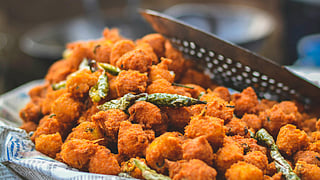

Come spring, summer, monsoon, autumn or winter, the city of Calcutta turns into an expansive kitchen and whips up a buffet for its people with fresh ingredients, seasonal flavours and a bite that breaks down into memories. An average Bengali grows up listening to stories of that Rs 5 orange stick or ‘ jol ice-cream’ that became their saviour during summer recesses; or the dying art of ‘phol makha’ [fruit chaats] that comprised an entire lunch plate. While the world has made Phuchka the most beloved street food of modern Calcutta, deep dive into the by-lanes and the hidden food spots around the city and you would smell nostalgia in the spice powders whipped up by some of the last street food vendors, before they get a fancy name and embellishment and put into the menu of a fine-dining restaurant.
This summer, put on your best walking shoes, keep your mobile lenses clean for all the snaps, make sure the GPS operates fine and absolutely keep hygiene at bay, and start exploring Calcutta on foot to savour some of its finest street foods. Indulge maps out a location guide so that you don’t have to put in that extra effort, just head over, enjoy yourself without drilling a hole in the pocket and make new memories to tell your grandchildren.
How often have you noticed a large circular utensil with multiple smaller side ones being carried by the vendor? This tightly knit portable kitchen has Kathi bhaja / sev, finely chopped veggies, the OG mustard oil, raw mango (during season) and a bunch of paper. The name comes from the sev which is kept on a burning coal so that it is served warm with a mix of other ingredients inside the paper wrap or thongas. Ghoti Gorom is quite a popular snack on Park Street, near the Jetties and during Durga Puja, in every other lane.
Although, traditionally devoured in Bihar, the inter-state migration has brought with itself this staple dish from Bengal’s neighbouring state. Gram flour doughs are baked over hot coal and served with a brinjal or potato-tomato mash along with spicy green chutney made with coriander, mint, green chillies and more. It caters to your sweet, spicy and savoury palate. In Kolkata, Litti Chokha is quite a famous street food along the Nimtala Ghat road.
Outside schools, colleges, single-screen cinema halls, shopping malls or local fairs one high-pitched tone – Chaat… Chana Chaat- is indeed common. Donning white kurta, white dhoti, a white conical cap and a sling cloth that holds tightly their daily kitchen table or rather their wicker basket, their voice and the aroma of the rock salt is unmissable. Pressed gram flour chips mixed with spices and a touch of lemon juice are served in the irreplaceable thonga. And we bet one thonga is never enough!
If you know the hidden lanes of Kolkata, you would know where to get this freshly made malai to satiate your sweet tooth. The process of making fresh malai starts in the wee hours of the morning, where boiled milk is placed on a hot pan and layer by layer separated with a stick. This is a matter of not some seconds or minutes but at least 2- 3 hours. Once these strands are separated, cooled down, given shape and cut, they are sold to the people. But if you are lucky then you can head over early in the morning, patiently watch the process and be the first ones to get a taste of a warm malai roll in Burrabazar.
When listing Kolkata’s street food, one cannot miss out on the drinks. If you spot a sugarcane cart, fresh juice shop or lassi centre, make a quick stop. These are made fresh in front of your eyes, seasoned with spices or chopped nuts and served to you instantly to cool your body and proceed with your day. The best places to find a juice shop are Kolkata markets and outside metro stations, while sugarcane carts are spotted anywhere in the city.
For more updates, join/follow our WhatsApp, Telegram and YouTube channels.