
- LIFESTYLE
- FASHION
- FOOD
- ENTERTAINMENT
- EVENTS
- CULTURE
- VIDEOS
- WEB STORIES
- SPORTS
- GADGETS
- CAR & BIKE
- TRAVEL
- SOCIETY
- GALLERIES
- NORTH EAST
- INDULGE CONNECT
Portuguese-Goan cuisine holds a unique place in India’s culinary landscape, blending European influences with coastal Indian ingredients to create bold, flavourful, and deeply comforting food. Rooted in over 450 years of Portuguese colonization in Goa, this cuisine is not just about fusion—it’s a living story of culture, trade, religion, and adaptation.
What makes Portuguese-Goan cuisine special is its balance between richness and spice. The Portuguese brought with them ingredients like vinegar, potatoes, tomatoes, and chillies—now staples in Goan kitchens. But these weren’t just added to Indian dishes; they transformed them. The result is a cuisine where local fish and meats are marinated in tangy vinegars, slow-cooked in coconut milk, or spiced with a unique blend of East-meets-West masalas.
A classic example is vindaloo—originally derived from the Portuguese vinha d’alhos (wine and garlic). The Goan version uses palm vinegar and local spices, often served with pork, making it both fiery and deeply flavourful. Similarly, sorpotel, a rich pork offal stew, is a celebratory dish that blends Portuguese sausage-making techniques with Indian spice blends, slow-cooked for days to develop its complex flavour.
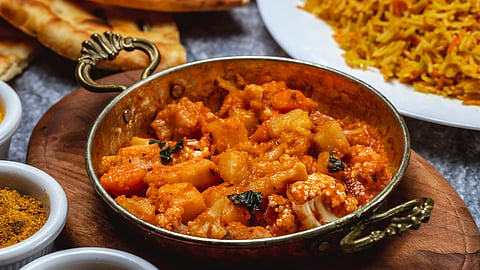
It reflects Catholic Goan households where food was central to festivals and Sunday feasts. Dishes like xacuti (a coconut-based curry with poppy seeds and dry spices) or bebinca (a layered egg-coconut milk dessert) are not just recipes—they’re heirlooms passed down generations. The food is both communal and celebratory, rich with symbolism and seasonal rituals.
What’s more, Portuguese-Goan cuisine stands out for its willingness to preserve tradition while evolving. Whether it’s served in an old Goan kitchen or reinterpreted in modern restaurants, the cuisine retains its bold personality—earthy, tangy, spicy, and soulful.
In a country as diverse as India, Portuguese-Goan food is a reminder of how two cultures can blend so seamlessly on a plate, creating something entirely its own—deeply local, yet globally loved.
