
- LIFESTYLE
- FASHION
- FOOD
- ENTERTAINMENT
- EVENTS
- CULTURE
- VIDEOS
- WEB STORIES
- SPORTS
- GADGETS
- CAR & BIKE
- TRAVEL
- SOCIETY
- GALLERIES
- NORTH EAST
- INDULGE CONNECT
If you grow houseplants, there’s a moment most plant owners recognise instantly — the sudden pause when you notice a tiny moving speck, faint webbing near a stem, or a leaf that simply doesn’t look right. It’s often the first sign that pests have quietly made themselves at home.
More often than not, the problem doesn’t begin on your windowsill. It starts much earlier, at the nursery.
A quick inspection before buying a plant can prevent weeks, sometimes months, of frustration later. While choosing a plant, take a moment to look beyond its overall appearance. Check the soil surface, stems and leaf joints carefully. Turn the leaves over — many pests prefer to hide underneath, where they’re less visible. Using your phone camera to zoom in can help reveal tiny insects or eggs that are easy to miss with the naked eye.
If everything looks healthy, the plant is safe to bring home — but the process shouldn’t stop there.

Once indoors, it’s best to remove the plant from its original container. Gently shake off as much of the old soil as possible. Even if you can’t see pests, eggs may still be present, waiting to hatch. Repot the plant in fresh, sterile potting mix and a clean container with proper drainage. If you plan to reuse the same pot, wash it thoroughly and disinfect it with a diluted bleach solution before replanting.
Position the plant at the same depth it was growing before, firm the soil lightly, and water it moderately. Overwatering at this stage can do more harm than good.
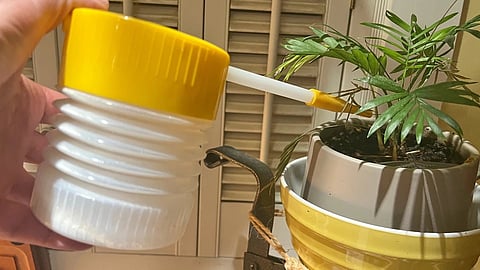
When the soil surface dries, sprinkling a thin layer of food-grade diatomaceous earth can offer an extra line of defence. This fine powder works mechanically rather than chemically, dehydrating insects that crawl across it. Because it can irritate the lungs, it’s best applied while wearing a mask and kept away from air currents.
To keep the powder effective, avoid watering from the top. Bottom watering — placing the pot in a shallow tray of water and allowing the roots to absorb moisture — helps maintain dry soil surfaces while also reducing the risk of fungal growth and root rot. The diatomaceous earth will need occasional reapplication, as moisture gradually reduces its effectiveness.
Equally important is quarantine. Any new plant should be kept away from the rest of your collection for at least three to four weeks. During this time, inspect it every few days. Some pests take time to show visible signs, and early detection makes treatment far easier.
Only once you’re confident the plant is pest-free should it join the others. This small delay can save an entire indoor garden from infestation.
Houseplant care isn’t just about watering schedules and sunlight. A few thoughtful steps at the beginning — careful inspection, clean repotting, and short-term isolation — can make all the difference between thriving greenery and a frustrating battle with pests.
For more updates, join/follow our WhatsApp, Telegram and YouTube channels