
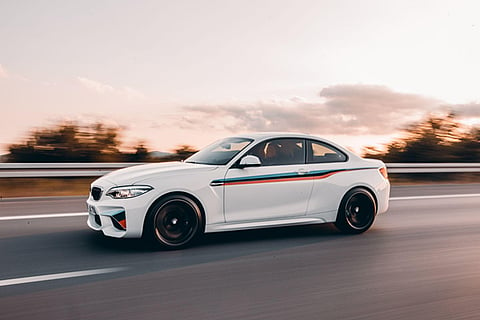
Why Premium Car Ownership Goes Beyond Just Maintenance
Owning a premium car is a statement of performance, status, and engineering excellence. However, the real cost of upkeeping, running expenses, and car insurance often catches owners off guard. Beyond the sticker price, premium vehicles demand significant ongoing investment.
These costs span far more than a routine service. Understanding them helps owners make smarter, more informed financial decisions. Let's explore what premium car ownership truly involves.
Why Premium Car Ownership Goes Beyond Maintenance?
The maintenance of a car is just one piece of the puzzle. Premium cars carry a range of ongoing costs that standard vehicles simply do not.
1. Specialised Parts
Premium vehicles require manufacturer-specific components that are considerably harder to source. These parts are significantly more expensive than standard alternatives and often require longer lead times from specialist suppliers. Sourcing the wrong component can compromise both performance and manufacturer compliance.
2. Specialised Maintenance
Routine servicing for a premium car cannot be carried out at any local garage. Manufacturer-approved technicians charge considerably more, and skipping authorised servicing can void warranties or reduce resale value. Over time, this represents a substantial and unavoidable recurring expense for premium car owners.
3. Rapid Depreciation
Luxury vehicles depreciate faster than most owners anticipate. High-value models can lose a substantial portion of their worth within the first few years, making ownership an expensive proposition beyond the purchase price alone. This depreciation curve significantly affects the total cost of ownership over any given period.
4. Fuel Consumption
High-performance engines consume significantly more fuel than standard models. Running a premium car daily adds up considerably, particularly with larger-displacement or supercharged engines common in luxury segments. Owners should factor fuel costs carefully into their long-term ownership budget.
5. Costly Modifications
Many premium car owners personalise their vehicles with aftermarket upgrades. Custom bodywork, performance tuning, and interior modifications carry steep price tags and can complicate insurance for a premium car significantly. Undisclosed modifications may also affect the validity of existing cover.
6. Advanced Technology and Safety
Modern luxury vehicles are equipped with sophisticated driver-assistance systems and integrated technology. Repairing or replacing sensors, cameras, and display units after even minor incidents is disproportionately expensive compared to standard vehicles. Labour costs for recalibrating these systems alone can run into hundreds of pounds.
7. Insurance Premiums
Insuring a high-value vehicle commands a notably higher premium than standard car insurance. The elevated cost of parts, repairs, and theft risk means insurers prices cover luxury vehicles at a significantly higher level. Selecting the right car insurance policy from the outset is essential to avoid being underinsured.
Strategies for Managing Maintenance Costs of Premium Cars
Managing these costs requires a proactive approach, not merely a reactive one.
1. Regular Maintenance
Adhering to a manufacturer-recommended service schedule prevents minor issues from escalating into major repairs. Consistent upkeep also preserves resale value, which matters significantly given how quickly premium vehicles depreciate. Partnering with a trusted, brand-approved garage ensures all work is carried out to the correct standard. Keeping full service records also strengthens the vehicle's position at resale.
2. Insurance
Standard cover is rarely sufficient for luxury vehicles given their high repair and replacement costs. In such cases, Comprehensive car insurance offers broader protection, covering both third-party liabilities and expensive damages.
Specialist insurers may also provide agreed value policies to prevent compensation. Reviewing your policy annually helps align coverage with the car’s actual value and risk profile. Declaring all modifications is equally important to avoid claim issues.
3. Extended Warranties
Once a manufacturer's warranty expires, repair costs can be considerable. A comprehensive car insurance policy combined with an extended warranty provides the most complete financial protection available.
Together, they cover accidental damage, theft, fire, liability, and mechanical failure, essential for genuine high-value car protection. Reviewing warranty terms carefully ensures there are no gaps in cover for technology-heavy components.
4. Dedicated Savings Fund
Setting aside a dedicated fund for unplanned repairs is a practical measure many premium car owners overlook. Unexpected mechanical failures, bodywork damage, or technology faults can arise with little warning and carry high costs.
A reserved budget ensures such expenses do not disrupt broader financial planning. Even a modest monthly contribution builds a meaningful buffer over time.
5. Tracking and Telematics
Fitting an approved tracking device is one of the most effective steps a premium car owner can take. Many specialist insurers offer reduced premiums for vehicles equipped with certified GPS tracking systems, reflecting the lower theft and recovery risk involved.
Telematics data can also support claims by providing accurate records of vehicle location and driver behaviour. For high-value vehicles, this technology offers both financial and practical benefits.
Premium car ownership carries costs that extend well beyond a service schedule. Depreciation, specialist parts, fuel, and technology repairs all accumulate quickly. Pairing disciplined maintenance with the right insurance cover is the most effective way to manage long-term expenses.
Planning for the full cost of ownership from day one ensures the experience of driving a premium vehicle remains a rewarding one.
Disclaimer: This content is part of a marketing initiative.