
- LIFESTYLE
- FASHION
- FOOD
- ENTERTAINMENT
- EVENTS
- CULTURE
- VIDEOS
- WEB STORIES
- GALLERIES
- GADGETS
- CAR & BIKE
- SOCIETY
- TRAVEL
- NORTH EAST
- INDULGE CONNECT

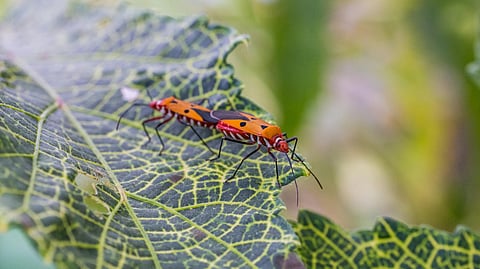
Come Monsoons and they bring along with them unwanted guests for your garden. Each season with the mud and blooms comes the pests who are known to cause mischief and damage pots and plants. Frankly, who would want to wake up and see their garden in a mess? So, be mindful of these precautions and you may be spared of their audacities.
It might be difficult to spot the little pests like slugs, fungi, aphids and more, there are certain measures that can be taken so that they stay off your garden.
Get your drainage sorted
Bad drainage during the monsoon means water –logging and breeding grounds for mosquito larvae. Wet soil is also home to fungus and root rot. None of these are either healthy or welcome for your garden. So, get a good drainage check before the monsoons arrive. Keep a lookout that excess water is not accumulating in pots or hanging plants.
Clean the garden
Often seen leaves and plant debris on fallen across the garden but ignored them completely thinking they are harmless? Interestingly, while the debris and dried leaves may be harmless, once they start to collect, they become the habitats of slugs, snails and fungus. Thus to avoid these, the debris must be cleaned regularly. In fact, moisture-prone organic matter should not piled up in the garden at all.
Go Natural
Chemicals do have a lot of cons so; you can choose to opt for the natural way of repelling pests. These repellents are easily available in your kitchens. What makes them safe to use is their biodegradable nature which easily merges with Earth rather than polluting it for decades like chemicals. Some of these include neem oil spray, turmeric powder sprinkles, garlic and chilli spray and soapy solution.
No Plant traffic
While loving to grow your plants in the garden is definitely good, you must also understand what is good for them. One should not overcrowd the area with too many potted plants. This will create canopies which will retain moisture and help in the formation of insect infestation or fungal growth. Thus, decide on what plants you would want to have and how many; and while potting them, maintain distance between one another, so that there is adequate supply of water, air and nutrition for each plant. Also, prune them occasionally.
Plants fighting pests
Have you heard of companion planting? This is the process of planting certain common plants in between your existing plants. This is because these plants which are planted as 'companions' to the garden plants are natural pest repellents. Common plants like marigold keep away nematodes and aphids; mint distracts ants and flies; basil is good for keeping mosquitoes and flies at bay. And what more, companion plants also have certain uses in the kitchen or home décor. Mint and basil are regularly used in food to enhance flavours while marigold is a popular decorative flower.
A slight push
Sometimes pests like snails and slugs can be manually removed without causing them any harm. Keep a lookout in your garden and if you see them lurking nearby you can give them a slight change of direction so that they choose not to enter your garden and move off elsewhere. Crushed eggshells are also natural way to keep pests off the garden.