
- LIFESTYLE
- FASHION
- FOOD
- ENTERTAINMENT
- EVENTS
- CULTURE
- VIDEOS
- WEB STORIES
- SPORTS
- GADGETS
- CAR & BIKE
- TRAVEL
- SOCIETY
- GALLERIES
- NORTH EAST
- INDULGE CONNECT

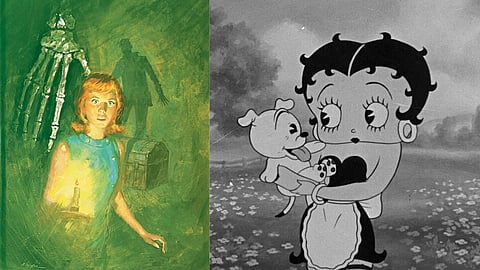
Every January, the public domain quietly expands, like a thrift store rack nobody checks until something fabulous falls out. And in 2026, the finds are particularly good. Betty Boop, Blondie and Nancy Drew have sashayed in. Thanks to the 95-year copyright rule in the US, works first published in 1930 are now fair game. Which means the original versions of these characters belong to everyone.
Betty Boop is the headline grabber. The Betty entering the public domain is the early, slightly feral one from Dizzy Dishes. You can screen those early shorts, remix them, animate over them, project them on a nightclub wall, whatever. What you can’t do is pretend you own the ultra-polished, eyelash-heavy Betty. Betty Boop has been merchandised to death and embalmed in nostalgia.
Then there’s Nancy Drew, patron saint of competent girls everywhere. The first four books aka The Secret of the Old Clock, The Hidden Staircase, The Bungalow Mystery, and The Mystery at Lilac Inn, are all officially public property. That means anyone can publish new editions, adapt them, annotate them, turn them into podcasts, stage plays or graphic novels. This is early Nancy, who is the less snarky YA icon, more polite, relentless problem-solver with a suspicious amount of free time.
The early comic strips of Blondie are now free to reprint and reinterpret, which is fitting for a character who has survived nearly a century by adapting to changing domestic ideals without making a fuss about it.
So what does all this actually mean?
First: creators get room to breathe. The public domain is where culture goes to stretch its legs. It’s why West Side Story exists, why modern Sherlock Holmes keeps popping up with better coats, and why fairy tales refuse to die. When characters return to the commons, they stop being museum objects and start being raw material again.
Second: expect a wave of experimentation. Some of it will be smart, some of it will be terrible. This is healthy. Public domain doesn’t guarantee quality, but access.
Third: public domain does not mean “do whatever you want, wherever you want.” Copyright may be gone, but trademarks are very much alive. You can adapt early Betty Boop cartoons, but try selling “official” Betty merch and see how fast the lawyers arrive. Same with Nancy Drew branding. The line between creative use and commercial confusion is thin, annoying, and very real.
For decades, pop culture has been increasingly fenced in, franchised, and extended well past its natural lifespan. Public domain is the reset button nobody talks about enough because it reminds us that culture isn’t supposed to be permanently owned. It’s supposed to circulate, mutate, and occasionally embarrass itself. That’s the deal with the public domain: no guarantees, no gatekeepers — just possibility. And honestly? Pop culture could use more of that.
For more updates, join/follow our WhatsApp, Telegram and YouTube channels.