
- LIFESTYLE
- FASHION
- FOOD
- ENTERTAINMENT
- EVENTS
- CULTURE
- VIDEOS
- WEB STORIES
- SPORTS
- GADGETS
- CAR & BIKE
- TRAVEL
- SOCIETY
- GALLERIES
- NORTH EAST
- INDULGE CONNECT

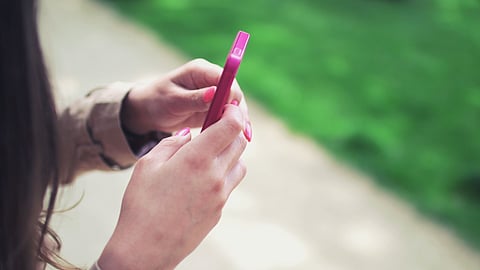
With social media being accessible to everyone with a smart phone, many underage users find their way to the platforms and unknowingly reveal important information about themselves and their surroundings. This can be seen as a threat to their privacy and also invites data theft and cyber crimes, apart from being the source of digital addiction.
Ask any child today what the source of their information is, you would probably hear social media, certain social networking sites, or so and so videos. You will hardly hear them say books or libraries or even people. Such is the power of contemporary social media where content, information and misinformation is everywhere. While adults may still be able to navigate their ways, the underage population often finds it difficult to work it through and falls prey to the dark side of social media. Thus, banning the socials for users under 15 may have more benefits than you can imagine.
Reduced loneliness: The moment one stops staring at their devices and talking to real people, they will start behaving like social animals. Conditions like mental health issues, depression, addiction, low self-esteem, digital competitions will reduce and people will be able to start living a ‘normal’ life.
Safety against cyber crime: Many cyber crimes are reported against children every year including harassment, cyber shaming, abuse, and more. These might reduce to a great extent.
Better Sleep: Interestingly, the peak browsing time is right before sleeping which actually impacts the sleep cycle and the energy levels of the morning after. With no social media in place, browsing in checked and sleep patterns are maintained.
Improvement in learning: With distractions done away with, the formative years of a child will be prone to better and quality information, learning and knowledge gathering through real-world interactions.
Safety against harmful content: While social media may have a lot of fun and quirky content, there is no dearth of dark content too. Violent, graphic, self-harm, dark web, sexual content find common place on social media, which a child should not be exposed to.
Is the law watertight?
No! Like any law in the world, there might be loopholes to this law too. Those who have restricted access to social media may still continue to access it with their parents’ profiles. In the future there might a rise in the number of fake profiles only to register an above 15 years and enter the social media world. Social media backend must strengthen their age verification systems in order to bypass this. Just banning the social media platforms will not work out. Educational institutions or parents must take the initiative of speaking to the young users and explaining the situation to them.
However, this is not the first time it has happened. Countries like Australia already have some policies in place while Germany, Spain and Greece are next in line to take a step in the direction of online safety.
For more updates, join/follow our WhatsApp, Telegram and YouTube channels.