
- LIFESTYLE
- FASHION
- FOOD
- ENTERTAINMENT
- EVENTS
- CULTURE
- VIDEOS
- WEB STORIES
- SPORTS
- GADGETS
- CAR & BIKE
- TRAVEL
- SOCIETY
- GALLERIES
- NORTH EAST
- INDULGE CONNECT

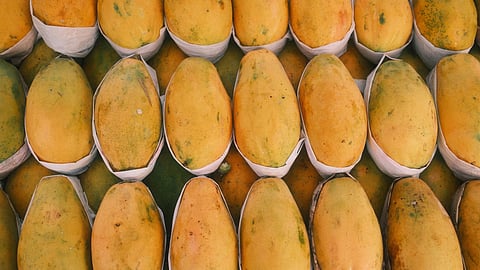
The Indian mango is one of the few fruits with such a huge cultural significance. But Japan decided to stop importing fresh Indian mangoes for the 2026 season. This is a reminder that even the most treasured fruit must pass through the cold machinery of quarantine, standards, and border control before it can be used as a passport stamp in another market.
Alphonso, Kesar, Langra, and Banganapalli were among the valuable kinds that were suspended after Japanese inspectors reportedly discovered flaws in fumigation and disinfection practices at Indian treatment facilities during March inspections.
India’s mango exporters know the drill. Japan is a demanding market. The corridor opened in 2006 only after India upgraded its export systems, and only six varieties were approved for shipment under the protocol: Alphonso, Kesar, Banganapalli, Langra, Chausa, and Malika. For nearly two decades, the arrangement held. Then one inspection, one set of compliance gaps, and the whole thing cracked open again. That is how fragile agricultural trade can be: one fruit, one rulebook, one missed standard.
Japan’s concern is not the mango itself. It is associated with a risk of pests. Mangoes are disinfected by officials using Vapour Heat Treatment, or VHT, before to export because fruit flies and other pests could endanger domestic agriculture if they manage to get through. According to reports, shipments approved on or after March 25, 2026, were suspended when Japanese quarantine officials discovered issues with fumigation and disinfection procedures at an Indian treatment facility. Due to worries about fruit flies, Japan has also previously adopted a strict stance on mango imports; this embargo lasted from 1986 until 2006.
That is the blunt truth of it: this is not about taste, romance, or the status of the Alphonso as fruit royalty. It is about a government deciding that its orchards matter more than another country’s export season. Bureaucracy has no appetite, no nostalgia, and no patience for poetic arguments. It only has standards. And when standards are missed, the mango gets grounded.
For Indian growers, the blow is practical as well as symbolic. The Japanese market may not be the largest in volume, but it matters because it rewards quality and opens doors for premium produce. For consumers, it is a seasonal disappointment. For exporters, it is a warning: in global food trade, reputation is not enough. Inspection certificates matter. So do treatment facilities. So does the boring stuff, which is usually where the whole system lives or dies.
For more updates, join/follow our WhatsApp, Telegram and YouTube channels.