
- LIFESTYLE
- FASHION
- FOOD
- ENTERTAINMENT
- EVENTS
- CULTURE
- VIDEOS
- WEB STORIES
- GALLERIES
- GADGETS
- CAR & BIKE
- SOCIETY
- TRAVEL
- NORTH EAST
- INDULGE CONNECT

If you’ve ever browsed Australian travel blogs or overheard conversations in the countryside, you might’ve come across the term bushwalking. At first glance, it sounds like just another word for hiking and in many ways, it is. But bushwalking carries its own unique context, history, and cultural flavour. So what is bushwalking and is it truly different from hiking or just Aussie slang?
The “bush” refers to wild or semi-wild landscapes: forests, coastal trails, scrublands, or mountain ranges that haven’t been heavily urbanized or developed.
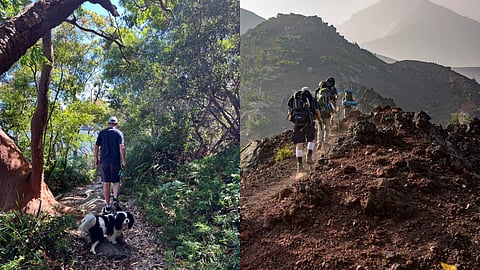
Bushwalking can range from short, leisurely strolls on a well-marked trail to multi-day treks through rugged wilderness. However, unlike multi-day treks, bushwalks can constitute well-marked paths. Some famous bushwalks exist alongside the famous Bondi and Manly beaches and they trail for anywhere between 4 to 10 kilometres.
In the United States, Canada, or the UK, people generally refer to long walks in nature as hiking. In Australia, that same activity is typically called bushwalking. While the terms are often used interchangeably, there are a few subtle distinctions worth noting:
Bushwalking is tied to Australian identity
It reflects not just the act of walking in nature, but the unique ecosystems and landscapes of the region, from eucalyptus-filled forests to outback trails.
“Bush” implies a more wild, less manicured environment than the average hiking trail
While hiking could take place on clearly marked mountain paths or through alpine meadows, bushwalking might involve navigating more rugged, remote, or overgrown areas.
In Australia, the word bushwalking is the norm. In North America, the word 'hiking' is more common, while in the UK, you might hear rambling or walking used instead. If you're in Australia, call it bushwalking.
No matter which one you go for, make sure to pick one that suits your lung capacity and strength to carry forward, because the distance and difficulty of the trek is ultimately what matters.
For more updates, join/follow our WhatsApp, Telegram and YouTube channels.