
- LIFESTYLE
- FASHION
- FOOD
- ENTERTAINMENT
- EVENTS
- CULTURE
- VIDEOS
- WEB STORIES
- GALLERIES
- GADGETS
- CAR & BIKE
- SOCIETY
- TRAVEL
- NORTH EAST
- INDULGE CONNECT

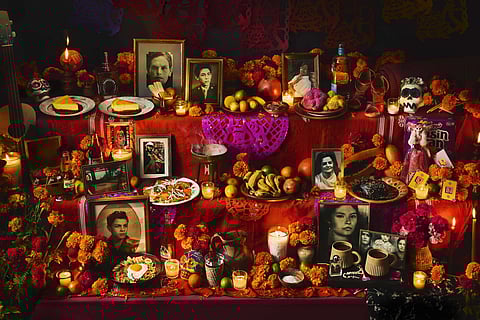
The Day of the Dead or Día de Muertos, is a vibrant Mexican holiday (November 1 and 2) where families welcome the souls of their deceased relatives back for a brief reunion. While celebrated throughout Mexico, some locations are particularly known for their unique and moving traditions. If it still doesn’t ring a bell, think of Coco (2017), Pixar/Disney’s most well-known film on the subject. Wish to experience the festival? Head to these five destinations!
This beautiful colonial city in Mexico’s Bajío region celebrates with a mix of traditional offerings and student-led events, providing a vibrant, walkable experience. The city centre is filled with beautifully intricate ofrendas set up by local families, schools and organisations. The Mummy Museum may offer special tours and the university often hosts a festival with calaveras literarias (witty, short poems about the dead). The winding streets and brightly coloured architecture serve as a stunning backdrop for the parades and street vendors selling holiday treats.
Located in the Tláhuac borough of Mexico City, the small town of San Andrés Mixquic offers a deeply rooted, traditional experience in contrast to the capital’s more commercial festivities. The highlight is the Alumbrada on the night of November 2, where all electricity is cut and thousands of candles are lit to illuminate the cemetery, guiding the souls back to their graves. This creates a breathtaking, intimate and profoundly spiritual atmosphere. The town also features a mock funeral procession and a procession carrying a bell to invite the souls back.
Oaxaca is often cited as one of the most culturally rich and authentic Mexican places to experience Día de Muertos, blending ancient Zapotec traditions with modern celebrations. The city hosts massive, lively comparsas (parades or street parties with costumes, music and dance). You can visit the General Pantheon cemetery, which is beautifully decorated or take tours to smaller, surrounding villages to see their unique celebrations, such as the famous nighttime vigils at the Xoxocotlán cemetery. The city’s markets are a spectacle, overflowing with cempasúchiles (marigolds) and pan de muerto (sweet bread).
The region around Lake Pátzcuaro in Michoacán, especially the island of Janitzio, is famed for its deeply moving, traditional purépecha (indigenous) observance. The celebration, known locally as Animecha Kejtzitakua, focuses heavily on the cemeteries. On the night of November 1, families participate in a solemn, candlelit vigil at the island’s cemetery, decorating the graves with elaborate ofrendas (altars) of marigolds, food and drink, which creates a mesmerising glow over the island waters. Traditional fishermen also perform the butterfly net dance, adding to the local folklore.
Known for its artistic community, this colonial city in Guanajuato hosts a polished and festive celebration that is both traditional and accessible. The city hosts a multi-day La Calaca (The Skull) Festival. You’ll see beautiful, artistic ofrendas throughout the city and the streets fill with people in intricate La Catrina makeup and costumes. There are street markets, art exhibits and often an elegant nighttime parade featuring the iconic Catrina figure, making it a very photogenic and spirited celebration.
For more updates, join/follow our WhatsApp, Telegram and YouTube channels.