
- LIFESTYLE
- FASHION
- FOOD
- ENTERTAINMENT
- EVENTS
- CULTURE
- VIDEOS
- WEB STORIES
- GALLERIES
- GADGETS
- CAR & BIKE
- SOCIETY
- TRAVEL
- NORTH EAST
- INDULGE CONNECT

The last two races (Canada and Monaco) — both won by Andrea Kimi Antonelli — have been an absolute meat grinder for the rest of the grid. If it feels like the DNF count has suddenly skyrocketed, that’s because it has. Across those two weekends alone, we saw 12 official retirements (DNFs), including heavy hitters like Max Verstappen, Charles Leclerc, Lando Norris, and George Russell. The chaos boils down to a combination of brutal track nature, aggressive teammate positioning, and emerging mechanical vulnerabilities under pressure.
The calendar handed the drivers two back-to-back tracks with zero run-off areas. Canada (Circuit Gilles-Villeneuve), which is famous for its close walls and the notorious Wall of Champions. When cars push for the limit here, small errors lead to terminal structural damage.
On the other hand Monaco, is the ultimate tight, unforgiving street circuit. Overtaking is borderline impossible, forcing drivers to take extreme risks during the race or push too hard into the tight barriers. Max Verstappen stalled right at the grid in Monaco, while local hero Charles Leclerc crashed out and Lance Stroll's heavy crash on Lap 60 triggered the late-race safety car chaos.
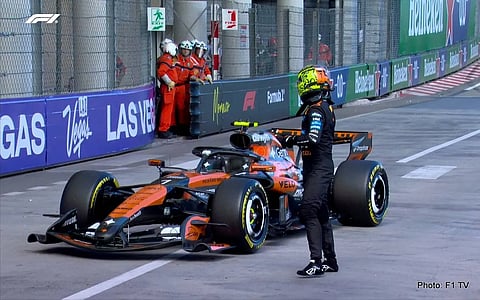
As teams push their power units to the absolute maximum to bridge the gap to a dominant Mercedes car, reliability has started to fracture. The most prominent victim has been McLaren. Lando Norris suffered a miserable weekend in Monaco, crawling back to the pit lane to retire with his second engine problem of the weekend.
When teams are forced to run aggressive engine maps to keep up with the leader, mechanical DNFs naturally spike. So far in the 2026 season (up through the Monaco Grand Prix), there have been a total of 20 official DNFs (Did Not Finish) across the 6 completed rounds. The retirements can be categorised into three main culprits: Mechanical Failures/Power Unit Meltdowns, Accidents & Wall Contact and Tactical/Damage Retirements.
For more updates, join/follow our WhatsApp, Telegram and YouTube channels.