
- LIFESTYLE
- FASHION
- FOOD
- ENTERTAINMENT
- EVENTS
- CULTURE
- VIDEOS
- WEB STORIES
- SPORTS
- GADGETS
- CAR & BIKE
- TRAVEL
- SOCIETY
- GALLERIES
- NORTH EAST
- INDULGE CONNECT
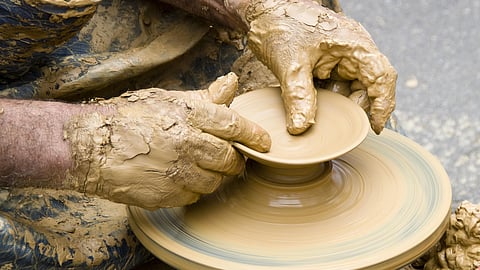
Across the vast and varied landscape of India, pottery is more than just a craft—it is a way of life. From sun-baked courtyards in Rajasthan to riverbank settlements in West Bengal, pottery villages continue to hum with the rhythm of the wheel, preserving practices that span centuries.
One such gem is Khurja in Uttar Pradesh, often hailed as the ‘Ceramic City of India’. Known for its vibrant glazed pottery, Khurja’s craft evolved under Mughal patronage and has flourished ever since. Further south, Kumbharwada in Gujarat is home to generations of potters who migrated from Sindh over 500 years ago. Their terracotta wares, particularly water pots and diyas, are still shaped by hand using simple tools and local clay.
These villages are not just producers—they are guardians of regional identity. Each area has its own distinctive style, technique and form, influenced by local materials, climate and culture. It is in these subtle differences that India’s rich, rooted ceramic heritage truly shines.
In an age dominated by machine-made uniformity, India’s pottery villages are witnessing a quiet resurgence. Urban consumers are increasingly drawn to the warmth, imperfection and sustainability of handmade goods. This renewed appreciation has breathed life into once-declining hamlets, offering young artisans both purpose and livelihood.
Initiatives led by government bodies and non-profits have further bolstered this revival—offering skill training, access to better kilns, and digital platforms to showcase wares globally. Villages like Molela in Rajasthan, known for their votive terracotta plaques, are gaining visibility not only for their artistry but also as cultural destinations for mindful travellers.
India’s pottery villages stand as living museums—where every crackled glaze and coiled form holds the story of a people intimately connected to their earth. In a world spinning ever faster, these communities remind us that beauty lies in slowness, and tradition need not be static to stay rooted.
