
- LIFESTYLE
- FASHION
- FOOD
- ENTERTAINMENT
- EVENTS
- CULTURE
- VIDEOS
- WEB STORIES
- SPORTS
- GADGETS
- CAR & BIKE
- TRAVEL
- SOCIETY
- GALLERIES
- NORTH EAST
- INDULGE CONNECT

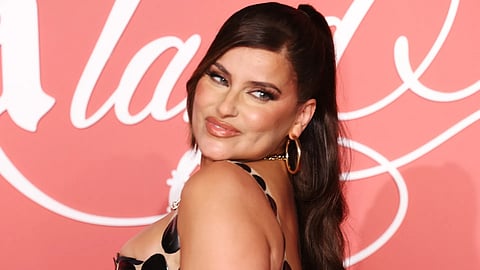
Twenty-five years after Whoa, Nelly! crashed onto the charts and gave us that effervescent “I’m Like a Bird,” Nelly Furtado just announced she’s stepping away from performing. Not because she’s run out of talent or lost her love for music, she explicitly said she hasn’t. But because the public, and the industry feeding it, have made performing unbearable.
In her Instagram post, Nelly wrote that she is “stepping away from performance for the foreseeable future.” That small phrase hides a gut punch of a truth, the constant, grinding cruelty of being a woman whose worth is measured in pixels, not artistic ability.
Nelly has never played the pop game by the book. She zigged when others zagged. She went from folky, earthy vocals to Timbaland-fuelled bangers and then ghosted the spotlight entirely. That alone makes her an outlier in an industry addicted to reinvention cycles and streaming stats. But when she returned — older, freer, visibly more herself — the knives came out. Online trolls, gossip sites, even comment sections under performance clips — all obsessed with her body, not her comeback.
She clapped back the best way she could: by showing up in an oversized tee at Manchester Pride that read Better than Ever. But she shouldn’t have to make her wardrobe a manifesto just to exist on stage. And yet here we are — a world where a Grammy-winning artist with multi-platinum records decides it’s not worth it anymore.
What’s really tragic is that this isn’t just about Nelly. It’s the same slow bleed that’s pushed artists like Adele, Lizzo, and even Billie Eilish to publicly defend their bodies — as if their BMI were public property. It’s the modern music industry’s ugliest open secret: we preach “body positivity” while crucifying anyone who dares to age, gain weight, or simply look human.
Nelly’s bowing out, but not backing down. She says she’ll keep writing — which is probably where she’s happiest anyway. Maybe that’s the ultimate rebellion: to create without being consumed. Still, the fact that one of the most quietly radical pop voices of the 2000s felt driven off stage by a bunch of trolls with Wi-Fi should make all of us wince.
Because the truth is, Nelly Furtado didn’t quit music; we made it too toxic for her to stay.
For more updates, join/follow our WhatsApp, Telegram and YouTube channels.