
- LIFESTYLE
- FASHION
- FOOD
- ENTERTAINMENT
- EVENTS
- CULTURE
- VIDEOS
- WEB STORIES
- SPORTS
- GADGETS
- CAR & BIKE
- TRAVEL
- SOCIETY
- GALLERIES
- NORTH EAST
- INDULGE CONNECT

The Last of Us wrapped up its second season this past weekend—but the numbers paint a mixed picture for the post-apocalyptic drama’s momentum. According to early figures, the season 2 finale pulled in 30% fewer viewers than its premiere, and a stark 55% drop compared to the first season’s finale.
While those declines may look damning at first glance, two key factors help soften the blow. First, the episode aired over Memorial Day weekend in the US, when many viewers were likely out of town or offline. Second, The Last of Us has proven to be a long-tail performer.
Season 2 has reportedly averaged more viewers overall than season 1 once delayed and on-demand streaming is factored in—a crucial detail in today’s viewing landscape where live numbers no longer tell the full story. Still, a few troubling trends are hard to ignore.
Unlike season 1, which steadily gained viewers each week—peaking with over a million live watchers in some episodes—season 2 never saw a significant uptick after its premiere. No episode crossed the million mark in live viewers this time around, despite starting with nearly double the audience of the season 1 debut.
Much of the season’s decline in enthusiasm may be pinned on creative choices. With just seven episodes, season 2 felt both rushed and uneven, omitting key emotional beats from the game’s storyline and culminating in a finale that many viewers didn’t even realise was the last episode.
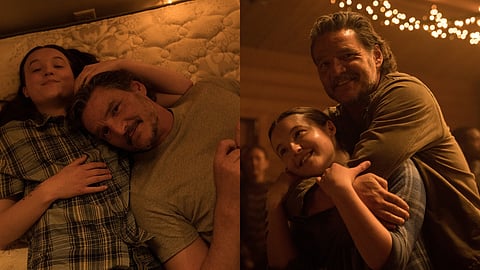
Critics and fans alike have noted the show’s structural shift as a sticking point. The decision to adapt The Last of Us Part II across multiple seasons means major characters like Joel (played by Pedro Pascal) are gone or sidelined, and season 3—centred around the divisive character Abby—is likely years away. The result? A cliffhanger ending that landed with a shrug rather than a gasp.
Whether the drop in live viewership is a blip or the start of a broader decline remains to be seen. For now, The Last of Us retains its reputation as prestige television, but the next season will need to re-earn its audience’s trust, one delayed stream at a time.