
- LIFESTYLE
- FASHION
- FOOD
- ENTERTAINMENT
- EVENTS
- CULTURE
- VIDEOS
- WEB STORIES
- SPORTS
- GADGETS
- CAR & BIKE
- TRAVEL
- SOCIETY
- GALLERIES
- NORTH EAST
- INDULGE CONNECT

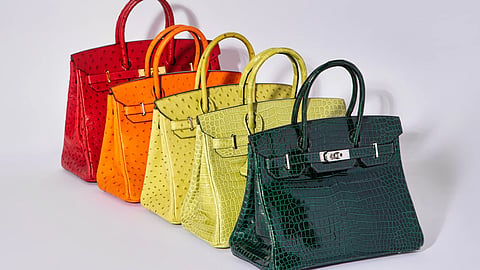
For years, the Hermès Birkin was sold as many things: a bag, a status symbol, a lifestyle flex, a scream of privilege. Somewhere along the way, it also became a financial instrument. The kind people discussed in group chats using words like “yield” and “hold,” which should have been the first red flag. Now auction prices are cooling, not crashing or burning, just… coming back down to earth. And it’s about time.
The Birkin hasn’t lost its allure, maybe it lost its delusion.
During the pandemic, luxury went feral. Trapped at home with disposable income and nowhere to travel, the global elite panic-bought handbags the way the rest of us panic-bought sourdough starters. Birkins were suddenly treated like gold bars with handles. Prices shot up. Resale premiums went bonkers. Everyone thought they were a genius.
Fast forward to now. Auctions are reporting softer results. Some classic Birkin styles are barely beating retail. A sentence that once sounded like heresy is now just data. The so-called “guaranteed investment” is behaving like what it always was: a luxury good subject to supply, demand, and economic gravity.
The first crack in the fantasy is supply. For all the breathless talk of “scarcity,” more Birkins are circulating than ever. People who bought three bags assuming eternal appreciation are quietly listing two. When everyone decides to cash in at once, prices notice.
Then there’s buyer psychology. The post-pandemic buyer is different. Less bored. More cautious. Slightly allergic to hype. Inflation has a way of humbling even the wealthiest wardrobes. When bidders stop competing like it's a sport, auctions cool.
Gen Z doesn’t worship the Birkin the way Millennials were taught to. They respect it, sure, but they don’t automatically believe it’s the final boss of luxury. They’ve seen sneakers tank. NFTs evaporate. Crypto bros cry on podcasts. The idea that “this will only go up” sounds naïve now, not aspirational.
And no sales associate will say out loud: a Birkin is only an investment if someone else wants it more than you do. That desire is cultural, not contractual. It can shift, it can plateau and it can get bored. None of this means the Birkin is over. Rare leathers, pristine condition, exceptional provenance — those will always command serious money. Iconic pieces will remain untouchable. Hermès still controls production with military discipline.
The Birkin is no longer a cheat code to effortless profit. It’s back to being what luxury is supposed to be: selective, emotional, and slightly irrational. You buy it because you love it, not because a spreadsheet told you to.
For more updates, join/follow our WhatsApp, Telegram and YouTube channels.