
- LIFESTYLE
- FASHION
- FOOD
- ENTERTAINMENT
- EVENTS
- CULTURE
- VIDEOS
- WEB STORIES
- SPORTS
- GADGETS
- CAR & BIKE
- TRAVEL
- SOCIETY
- GALLERIES
- NORTH EAST
- INDULGE CONNECT

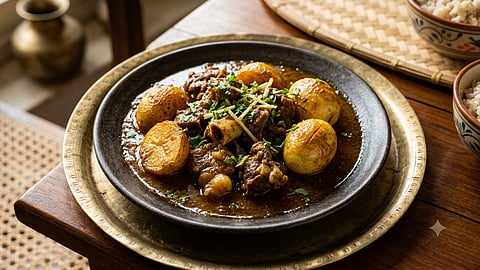
For many gourmets, the Dak Bungalow curry is not just a spice-based meat preparation. This is a dish that evokes memories of the colonial era, travelling officials, rest houses, and the cooks preparing the food in the secluded parts of India. The history of the development of Indian cuisine lies in this seemingly simple dish.
The history of the Dak Bungalow curry goes back to the 1840s, during the time of British colonial rule, when the construction of dak bungalows was carried out in India. The term “dak” referred to mail. Such bungalows were basically used as stops by the English mail couriers riding horses. Apart from that, it was also used to accommodate officials from the British Government and the East India Company.
These resting places were all built in a similar manner throughout the nation. There were some that even had ground floors on which courts were held by the judges during their stay. During a period when government officers travelled continuously, dak bungalows provided them with safe havens.
While the officials were away from these structures, the caretakers and postmen ensured that they were taken care of. In addition, there was always a cook present to provide food for the officials whenever they arrived. The food provided by the cooks was filled with seasonal ingredients.
The history of the Dak Bungalow curry is intertwined with these khansamas, who prepared food in such a way as to satisfy the requirements of the traveling officers. The Dak Bungalow curry was simple in its non-vegetarian recipe, yet there was an interesting feature in it: the succulent potatoes and eggs.
This dish has been traditionally linked with Kolkata, though it is not known why. One hypothesis states that since the word ‘bangla’ occurs in the term ‘dak bangla’, people believed that it came from Bengal. An alternative hypothesis proposes that maybe it was a ‘dak bungalow’ in Kolkata which made this dish famous. However, there is no clear historical evidence to confirm either theory. This Dak Bungalow curry survived through the homes of Anglo-Indians, where people kept cooking this recipe for generations.
For more updates, join/follow our WhatsApp, Telegram and YouTube channels.