
- LIFESTYLE
- FASHION
- FOOD
- ENTERTAINMENT
- EVENTS
- CULTURE
- VIDEOS
- WEB STORIES
- SPORTS
- GADGETS
- CAR & BIKE
- TRAVEL
- SOCIETY
- GALLERIES
- NORTH EAST
- INDULGE CONNECT
As planting season begins, the focus often turns to seeds, soil and new growth. Less visible, however, is the material footprint of the tools and containers used along the way. Many common gardening products rely on plastic, which gradually breaks down into microplastics that can persist in soil and potentially enter the food chain.
Microplastics—tiny fragments formed as larger plastics degrade—have been identified in water, food and even within the human body. While household sources are widely discussed, gardens are an overlooked entry point. Soil, rich in beneficial microorganisms such as bacteria and fungi, can also accumulate these particles over time.
Reducing exposure begins with limiting new plastic additions. Seed-starting trays, often made from thin plastic, can be replaced with soil-blocking kits. These use metal moulds to compress nutrient-rich mixtures into compact cubes that hold their shape. Beyond eliminating plastic, the method encourages healthier root development by exposing roots to air at the edges, prompting denser growth and smoother transplantation.

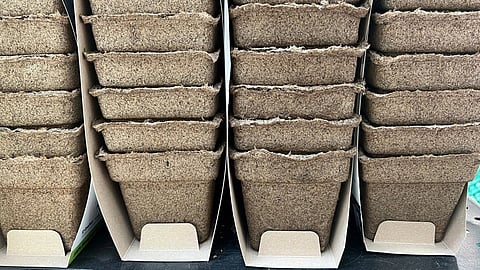
For those seeking ready-made options, biodegradable pots made from coir or composted manure provide an alternative. Larger plants can be housed in containers made from wood or terracotta, both of which offer durability without contributing to long-term plastic waste.
Fabric grow bags are another option, particularly suited to crops such as tomatoes, herbs and root vegetables. When choosing these, checking for natural fibres rather than synthetic blends is essential to avoid introducing microplastics through wear.
Plant selection also plays a role. Bare-root plants, sold without plastic containers, reduce waste at the source. Similarly, making compost at home removes the need for packaged soil amendments, offering greater control over inputs while cutting down on plastic bags.
Other adjustments are straightforward: using bamboo or wooden stakes instead of plastic supports, securing plants with natural twine, and replacing plastic tarps or landscape fabrics with organic mulches like bark or leaves. Even simple items, such as wooden sticks for plant labels, contribute to reducing reliance on synthetic materials.
Where plastic use is unavoidable, prioritising durable, reusable items over single-use products can limit overall impact. Incremental changes, applied consistently, can significantly reduce the introduction of microplastics into garden ecosystems.
For more updates, join/follow our WhatsApp, Telegram and YouTube channels