
- LIFESTYLE
- FASHION
- FOOD
- ENTERTAINMENT
- EVENTS
- CULTURE
- VIDEOS
- WEB STORIES
- SPORTS
- GADGETS
- CAR & BIKE
- TRAVEL
- SOCIETY
- GALLERIES
- NORTH EAST
- INDULGE CONNECT

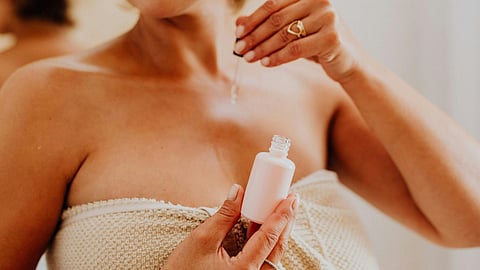
If your skin needs extra replenishing, slugging could be your saviour this winter. Slugging refers to the practice of applying an occlusive ointment, typically petroleum-gel based, as the last step in your skincare routine. This leads to a greasy, almost "slug-like appearance" and help heal and repair the skin by preventing transepidermal water loss (TEWL), or the process of water evaporating from your skin.
Ointments for slugging are generally thick, barrier-forming products to lock in moisture. They also strengthen the skin barrier to fight dryness and other environmental factors. Experts also recommend slugging for post-procedure care for micro-needling or for biopsies and surgeries. Moreover, pure petroleum jelly is safe for people with allergy-prone skin because of its "inert" or unreactive nature.
For those with oily or acne-prone skin, clogged pores may be something of concern. Although petroleum jelly is not pore-clogging in nature, they do tend to trap stuff against your skin. So if your skin is not cleansed properly, or if you have other layers of products on it before you apply Vaseline, you may notice white heads and other little bumps developing.
Slugging is best for those with dry, sensitive or damaged skin. It is also great to replenish your skin after a procedure or for irritated skin.
Benefits of slugging
It restores lipids or fats in your skin. It also protects your skin from damaging elements like hot and cold air or scalding water if you're surrounded by extreme weather elements.
It gives you this dewy glow when you wake up post-slumber. It also keeps out bacteria and maintains skin firmness.
But you need to be mindful of what you apply under the occlusive ointment. Substances like retinoids, alpha hydroxy acids (AHAs) and beta hydroxy acids (BHAs) are big 'no-no's if you're going to try out slugging.