
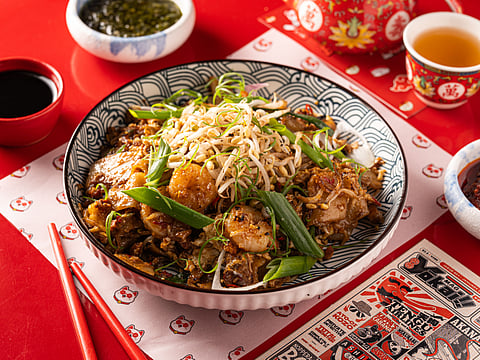
Chef Rahul Punjabi talks about bringing Ma La magic to Mumbai with his new outlet
Founded by Chef Rahul Punjabi, Bang Bang Noodle is Mumbai’s first Ma La-forward spot built around hand-pulled noodles made fresh to order. Rahul’s years in Sydney’s Chinatown lit a fire for bold Sichuan flavours and the rush of street food culture.
“I’ve always loved spicy food,” he says. “That tingling heat that makes your lips buzz, the kind that keeps you coming back for more. It’s a kind of delicious punishment.”
At Bang Bang Noodle that obsession shows in every bowl. Noodles are pulled in-house the moment you order, giving them a chewy, imperfect texture that soaks up the layers of flavour. Think numbing Sichuan peppercorns, fragrant chilli oil, silky sesame paste and slow-cooked broths that wrap everything together.
The menu is tight and deliberate. There is the Biang Biang Mien, a Chengdu and Chongqing classic tossed in aromatic oils and spices, and small plates like Typhoon Shelter Paneer with burnt garlic and five-spice or Bang Bang! Prawn Toast with ginger, scallion and sesame. Big, bold mains include Pepperberry Chicken, Pixian Chilli Basil Pork Belly and the theatrical Flying Noodles. Every meal can finish with Chilli Oil Soft Serve, where heat and creaminess meet in a single spoonful.

You’ve worked at Masala Library and Restaurant Quay. What inspired you to pivot from fine dining to the raw, rebellious energy of Sichuan street food with BANG BANG Noodle
My journey from the polished kitchens of Masala Library and Restaurant Quay to the raw streets of Sichuan has always been about chasing excitement, both on the palate and in the dining experience. In Sydney’s Chinatown, I got hooked on the late nights, fiery flavours, and unapologetic bowls of noodles that didn’t need white tablecloths to make a statement. Fine dining taught me precision, respect for the craft, and storytelling on a plate.
But Bang Bang Noodle is my rebellion, a leap into bold, street-forward comfort. Here, it’s about freedom, flavours that punch, textures that surprise, and dishes with attitude. I wanted to bring that high-voltage, heart-on-sleeve cooking to Mumbai in a space that’s both personal and visceral.
Bang Bang Noodle is Mumbai’s first Mala-focused concept. What drew you to this fiery flavour profile, and how did you balance authenticity with approachability for a local audience?
Ma La is everything I love about Sichuan cuisine. ‘Ma’ is numbing from Sichuan peppercorn, and ‘La’ is the deep, lingering heat of chilli. Together, they create this addictive, punishing-yet-pleasurable sensation I call “culinary masochism.” For Mumbai, I stayed committed to authenticity but also wanted approachability. We layer flavours with house-made chilli oil, slow-cooked broths, and balancing touches like sesame paste. I don’t dumb anything down. People get the tingle and the fire, but always with harmony and comfort.
Hand-pulled noodles made fresh to order is a rare craft. What’s the story behind your decision to champion it, and what does that process look like in your kitchen?
Noodles have soul. The first time I had Biang Biang in Sydney—wide, chewy, loaded with heat and flavour—I was hooked. Hand-pulled noodles are rare in Mumbai because the craft demands obsession. Every bowl at Bang Bang is made to order, pulled and stretched right when you ask for it. That gives them a texture and bite you can’t fake. I love the “perfectly imperfect” spirit—edges that catch sauce, strips with personality—making each bite unique.
Chilli Oil Soft Serve is a wild, unexpected twist. How do you develop dishes that push the envelope while staying rooted in the cuisine’s spirit?
I love pushing boundaries without losing soul. Chilli Oil Soft Serve started as a dare: could heat and creaminess really dance together? Turns out, yes, they’re addictive opposites. My process starts with a memory, craving, or stubborn idea. I ground it in the cuisine’s building blocks, then riff until it’s both unexpected and true. My North Star is “rooted rebellion”: challenge tradition, but honour it.
Pai Mei, your fictional rebel mascot, seems to set the tone for the brand. How did he come to life, and how does his character influence everything from interiors to menu voice?
Pai Mei began as a playful nod to martial arts film mythology and the redemptive, defiant spirit of street food. He’s part sage, part provocateur, and our unofficial sensei of all things bold. His influence runs through everything—the gritty, irreverent interiors, the cheeky menu voice, and our refusal to be boring or safe. Pai Mei reminds us to break rules, take risks, and always put flavour over convention.