
- LIFESTYLE
- FASHION
- FOOD
- ENTERTAINMENT
- EVENTS
- CULTURE
- VIDEOS
- WEB STORIES
- SPORTS
- GADGETS
- CAR & BIKE
- TRAVEL
- SOCIETY
- GALLERIES
- NORTH EAST
- INDULGE CONNECT
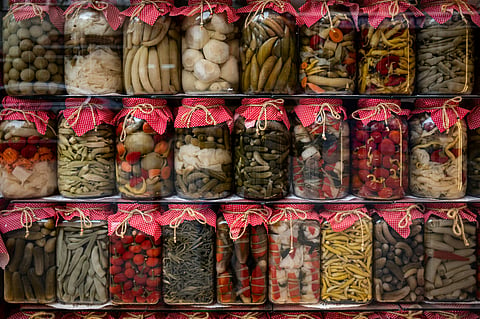
Pickling is among the earliest techniques used to preserve food, and nearly every culture has its own distinctive take on it. It ranges from spicy and tangy to sweet or intensely fermented, pickles reflect stories of heritage, necessity, and culinary creativity. Below are some of the most unusual pickles from across the globe, along with the intriguing histories that shaped them.
1. India (Achar)
Indian pickles are bold combinations of spices, oil, and sun-cured ingredients. Among the most beloved is mango pickle, or aam ka achar, which has roots stretching back thousands of years, when spices such as mustard, fenugreek, and asafoetida were used not only for flavour but also for preservation. Across India, regional variations abound, ranging from the intensely spicy pickles of Andhra Pradesh to the sweeter, tangier styles found in North India.
2. Japan (Nukazuke)
Nukazuke is a Japanese pickle made by fermenting vegetables like cucumbers, radishes, and eggplants in nuka (rice bran). This method, introduced over 1,000 years ago, was developed to preserve food for long winters. The fermentation process creates a deep, umami-rich flavour, and families traditionally pass down their nuka beds for generations.
3. Korea (Kimchi)
Kimchi, Korea’s iconic fermented cabbage dish, has a history spanning more than 3,000 years. In its earliest form, it was simply made from salted vegetables, but the arrival of chili peppers in the 16th century transformed it into the spicy, tangy staple known today. A central part of Korean cuisine, kimchi is also valued for its potential digestive benefits and immune-boosting properties.

4. Sweden (Surströmming)
Surströmming is a Swedish pickled herring that is fermented for months, resulting in an extremely strong aroma. Originating from the 16th century, it was created as a way to preserve fish with minimal salt due to shortages. While its pungency is legendary, it remains a delicacy enjoyed with thin bread and potatoes.
These pickles, each with their own cultural significance, showcase how food preservation has shaped global cuisine in delicious and unexpected ways.
For more updates, join/follow our WhatsApp, Telegram and YouTube channels.