
- LIFESTYLE
- FASHION
- FOOD
- ENTERTAINMENT
- EVENTS
- CULTURE
- VIDEOS
- WEB STORIES
- SPORTS
- GADGETS
- CAR & BIKE
- TRAVEL
- SOCIETY
- GALLERIES
- NORTH EAST
- INDULGE CONNECT

Mohenjo-Daro, which dates back to about 2500 BCE, was a carefully laid-out city. The element of water figured prominently in this layout. Private wells and bathrooms were installed in houses. These were linked with covered sewers that flowed out to major drainage systems in the streets. In addition, the city had public baths as well.
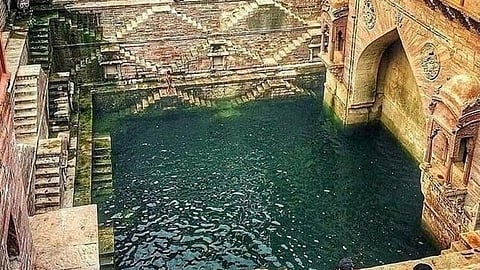
Chand Baori: Engineering in the desertThe ancient Indian water system demonstrate how ancient civilizations used to manage water in such a professional manner. Without the use of pipelines that have been introduced during later times, civilizations constructed buildings that could store water and serve other purposes. These were designed according to weather patterns and other requirements of the general public.
Mohenjo-daro: Advanced planning in 2500 BCE
Mohenjo-Daro, which dates back to about 2500 BCE, was a carefully laid-out city. The element of water figured prominently in this layout. Private wells and bathrooms were installed in houses. These were linked with covered sewers that flowed out to major drainage systems in the streets. In addition, the city had public baths as well.
Chand Baori: Engineering in the desert
Step wells were extremely important in the arid region of Rajasthan. One of the most notable examples of this architectural feature is Chand Baori, located at Abhaneri and constructed sometime in the 8th or 9th centuries. This step well comprises 3,500 stairs organized into 13 flights, all symmetrically. In addition to storing water in an underground reservoir, it offered shade by virtue of the low temperatures within compared to outside.
Rani ki Vav: Art meets function
Dating to the 11th century, The Rani Ki Vav (Queen's Stepwell) is located in Patan, Gujarat, India and is built by Queen Udayamati in honor of her husband, King Bhima I. The step well is of architectural significance because of its grandeur and earthworks and is made up of a large number (more than 500) of sculptured images depicting various Hindu deities. In addition to being a water reservoir, this fantastic step well has historically functioned as a means to replenish groundwater.
Temple tanks: Sacred and practical
The southern cities such as Madurai and Kanchipuram utilized temple tanks in their everyday lives. The temples have tanks that were known as pushkarinis or kunds and were mainly utilized to collect rainwater, help with the replenishment of groundwater, and conduct ritual ceremonies. The Meenakshi temple tanks are still utilized for both spiritual and functional purposes.
Community spaces and shared responsibility
Water structures were social centers, where people came together to celebrate, perform ceremonies, or undertake their daily chores. Women frequently met there to bond and exchange duties. These water structures were sponsored by royalty or other rich people as an obligation towards the common man.
These structures have been replaced by colonial and contemporary water systems. They became disused and were even left to ruin. There is now an increased awareness in reviving these water systems. Researchers are using them to combat water shortage in regions experiencing climatic changes. The Indian system of water conservation can provide practical solutions.
For more updates, join/follow our WhatsApp, Telegram and YouTube channels.