
- LIFESTYLE
- FASHION
- FOOD
- ENTERTAINMENT
- EVENTS
- CULTURE
- VIDEOS
- WEB STORIES
- SPORTS
- GADGETS
- CAR & BIKE
- TRAVEL
- SOCIETY
- GALLERIES
- NORTH EAST
- INDULGE CONNECT
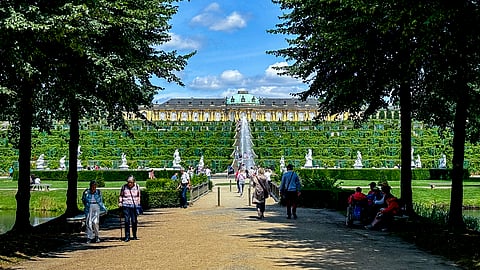
The once-idyllic Sanssouci Park, a UNESCO World Heritage site near Berlin, is showing signs of distress. Climate change is taking a toll on the park's historic trees, with many suffering from thinning crowns, damaged bark, and premature death.
Sven Kerschek, a former chief gardener, has witnessed a dramatic decline in tree health since 2017. While the region experienced particularly hot and dry summers in recent years, the problem is multifaceted, including increased sunlight, reduced humidity, and the spread of pests and diseases.
The Prussian Palaces and Gardens Foundation has launched an exhibition, "Re:Generation," to raise awareness about the park's challenges. Visitors can see firsthand the impact of climate change on trees and learn about potential solutions.

While some trees have succumbed to the harsh conditions, others have shown remarkable resilience. Gardeners are focusing on preserving these "survival artists" and collecting their seeds to cultivate new generations of climate-resistant trees.
The foundation emphasises the importance of maintaining the park's historic character while adapting to the changing climate. Introducing exotic species is not considered a viable option due to the region's climate. Instead, the focus is on identifying and cultivating tree varieties that can thrive in warmer conditions while preserving the park's overall aesthetic.
Sanssouci Park, a beloved symbol of Prussian heritage, faces an uncertain future. The foundation's efforts to protect and restore the park are crucial in ensuring its survival for generations to come.