
- LIFESTYLE
- FASHION
- FOOD
- ENTERTAINMENT
- EVENTS
- CULTURE
- VIDEOS
- WEB STORIES
- SPORTS
- GADGETS
- CAR & BIKE
- TRAVEL
- SOCIETY
- GALLERIES
- NORTH EAST
- INDULGE CONNECT

The Harela festival forms a significant part of the tradition in Uttarakhand. This festival takes place on the first day of the month of Shravan in the Hindu calendar and heralds the arrival of the monsoons, symbolizing the beginning of the new agricultural season. The Harela festival has a special significance for the agricultural communities of Uttarakhand as it celebrates the blessings of nature.
The word Harela means 'green day' in the Kumaoni language. The purpose of celebrating this festival is to pray for rain and a good harvest. At the same time, this festival is celebrated in honour of Lord Shiva and his wife Parvati in order to pray for the prosperity and happiness of the family.
For the residents of Uttarakhand, particularly for the farmers, the onset of monsoons means an optimistic season of agriculture. The festival is the means to express their thankfulness towards nature’s blessings. Moreover, it is also a reminder that man must live in consonance with nature and conserve its resources.
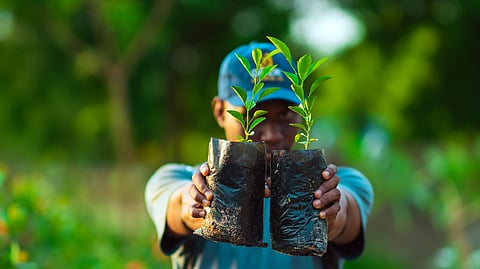
One of the most significant traditions of the Harela festival is the tradition of planting seeds about 10 days prior to the festival. People plant the seeds in little pots or on some small patch of soil, and by the time of the festival, these seeds grow into small green shoots that are worshipped before being planted in fields.
Another prominent ritual is to make idols out of clay for Lord Shiva, Parvati, and Ganesha. The celebration is also accompanied by preparing traditional dishes, and the residents arrange folk songs and traditional dance performances.
Recently, Harela has also become an example of environmental conservation. The planting of trees, a cleaning drive, and awareness programmes are held in Uttarakhand during the Harela festival. Schools, communities, and local organisations of Uttarakhand try to convince people regarding environmental conservation and planting of saplings.
For more updates, join/follow our WhatsApp, Telegram and YouTube channels.