
- LIFESTYLE
- FASHION
- FOOD
- ENTERTAINMENT
- EVENTS
- CULTURE
- VIDEOS
- WEB STORIES
- SPORTS
- GADGETS
- CAR & BIKE
- TRAVEL
- SOCIETY
- GALLERIES
- NORTH EAST
- INDULGE CONNECT

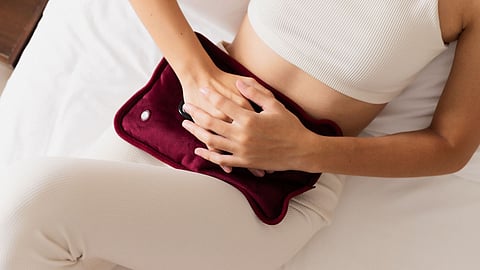
No woman likes to deal with the emotional and physical distress they have to go through during that time of the month. Menstrual cramps, or period pain, can be the worst. Not to add your pain, you have to rush to the bathroom innumerable times to fix or change your pad and/or tampon and wash stained clothes which take forever to dry in the wet season. It's no wonder many of us secretly wish we could do away with period altogether, if that were ever a choice.
However, period loss or the loss of menstruation, called amenorrhea, is more common than you think. It can be due to hormonal disruptions from anxiety, stress and even exercise.
Yes, exercising too much can also cause period loss. You might be working out on an elliptical machine every morning only 3 days a week or preparing for a marathon, but it can happen to anybody.
Amenorrhea is a sign that your body is going into starvation mode. Your body stops working toward non-essential functions like reproduction to try and preserve energy for the essential ones.
Exercise itself isn't the problem; it's the lack of proper nutrition to supplement your activities
Exercising too much and not eating enough can have serious negative impacts on young women's health. Not only can it lead to loss of periods, but it can also worsen bone density due to weak bones that stop growing and further the risk of fractures from bone loss.
Not to mention, loss of periods can mean risks of infertility. These are all facts backed by 2009 NIH study by Rebecca M. Fenichel and Michelle P. Warren.
When you exercise, you need to be mindful of how many calories you're consuming versus how much energy you're expending. When you over-exhaust yourself, your brain stops releasing essential hormones that help with your period.
Both men and women reach their peak bone mass or highest bone density between the ages of 20 and 30. From that point on, you maintain what you have and begin to lose bone as part of the aging process.
So, while the idea of not having to deal with period mess may sound lovely, you're really compromising on how healthy your body and bone health really is.
If you're overexercising, you may need to take it down a notch and fuel your body better. It can take up to 6 months for a woman's period to return and work like usual. So, if you're overextending yourself at the gym or training for events, like a marathon, consult a physician and rest up.
It is always possible to get back on track with your fitness or sports goals, but you should not be compromising your health in the process.
For more updates, join/follow our WhatsApp, Telegram and YouTube channels.