
- LIFESTYLE
- FASHION
- FOOD
- ENTERTAINMENT
- EVENTS
- CULTURE
- VIDEOS
- WEB STORIES
- SPORTS
- GADGETS
- CAR & BIKE
- TRAVEL
- SOCIETY
- GALLERIES
- NORTH EAST
- INDULGE CONNECT

As the world tilts increasingly towards conscious living and mindful travel, wellness seekers are beginning to shift their gaze beyond modern spas and digital detox retreats. In India, a land layered with millennia of healing traditions, nature itself is emerging as the therapist. From sulphur-rich riverbeds to flower-strewn mountain baths, this new trend of natural therapies is drawing in travellers who crave deep reconnection through the raw, restorative powers of the earth. As June, the Global Wellness Month, approaches, there’s no better time to explore India’s lesser-known healing sanctuaries where local knowledge, natural resources and slow travel converge into a truly regenerative experience.
Churachandpur in Manipur houses age-old wellness traditions that continue to flourish away from the national gaze. Tribal herbal baths are practised here by indigenous communities who collect medicinal herbs, roots and flowers to prepare steaming infusions in large wooden tubs. Each bath is tailored to the individual, based on ailments and constitution. Elder women, often midwives or forest healers, guide the process. The experience is as much about cultural exchange as it is about healing, offering a rare glimpse into holistic care systems that predate modern Ayurveda.
In the highlands of North Sikkim, particularly during spring, local women harvest freshly bloomed rhododendrons to create fragrant, floral baths. These are believed to invigorate the senses, reduce skin inflammation and uplift the mood. Rhododendron petals are sometimes combined with medicinal leaves to create warm soaks that act as natural muscle relaxants.
If the Japanese practice of shinrin-yoku (forest bathing) has sparked global fascination, India’s pine and deodar forests in Himachal and Uttarakhand have long been secret sanctuaries for just that. In regions like Jibhi and Binsar Wildlife Sanctuary, dense alpine woods release phytoncides — natural oils with antimicrobial and stress-reducing properties.
Spending a few mindful hours immersed in these jungles can reduce cortisol levels, lower blood pressure and even improve sleep quality. Many travellers now seek walking meditations in these zones, letting the rustling leaves and filtered sunlight recalibrate their frayed urban nerves.
In Thirunakkara, near Kottayam in Kerala, wellness is rooted quite literally in the ground. Here, red laterite clay, rich in iron and minerals, is harvested from Ayurvedic farmlands and transformed into therapeutic wraps. Local practitioners with traditional knowledge blend this clay with coconut oil and herbal infusions, applying it as a cooling, detoxifying mask across the body. The therapy is typically performed outdoors, under the dappled shade of banana trees — a ritual that grounds you not just physically, but spiritually. While spas may emulate mud therapy with imported products, this version is as local and unprocessed as it gets.
Similarly, Maharashtra’s less documented but rich in potential volcanic soil therapies found near Ratnagiri and Kolhapur are equally popular. These regions possess nutrient-dense black soil, thanks to their Deccan Plateau origins. While primarily used for farming, local healers have long used the soil in its wet form for body wraps believed to relieve rheumatism, promote detoxification and firm the skin.
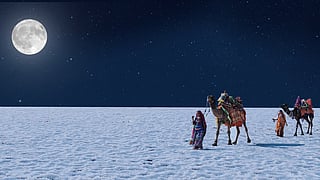
In the vast, blinding-white expanse of the Little Rann of Kutch, another form of therapy exists — less immersive, but no less powerful. The saline air across Gujarat’s salt flats has long been considered beneficial for respiratory health. Though not formally packaged as halotherapy, locals swear by the benefits of spending time in this stark, mineral-rich environment. Breathing in dry saline air is believed to alleviate bronchial conditions, sinus issues and skin disorders. Pair it with barefoot walks across the salt-crusted plains and the body responds in profound ways.