
- LIFESTYLE
- FASHION
- FOOD
- ENTERTAINMENT
- EVENTS
- CULTURE
- VIDEOS
- WEB STORIES
- SPORTS
- GADGETS
- CAR & BIKE
- TRAVEL
- SOCIETY
- GALLERIES
- NORTH EAST
- INDULGE CONNECT

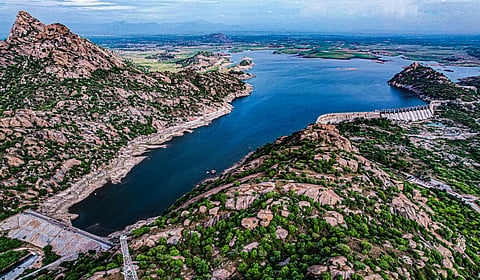
Deep in the rugged Pali district of Rajasthan lies Jawai, a landscape of hills and a sparkling river that defies the typical desert imagery of the state. Popularly called the Leopard Country of India, it is one of the few places on Earth where a high density of big cats live in total harmony with human settlements.
When one arrives in this town, the very first question of every visitor, like ours, remains, “but leopards are known for their aggressive behaviour!” The locals, with a smile, assure you that there hasn’t been a recorded human-leopard conflict in the region for over 150 years, despite the cats living just a few hundred metres from village homes.
Unlike the forest-inhabiting leopards usually found in India, Jawai’s leopards are cave-dwellers. They live on the smooth, granite, ancient volcanic, boulder-strewn hills in the Aravalli Range, which were shaped over billions of years. The promising geography of this destination, which makes sightings remarkably common is what brought us to explore and experience this town.
Lucky for us, on the very first day here, we not only managed to catch the big cat leaping its way across the hills at dusk in solitude but also caught a glimpse of its little one when the mother, Padma, made her way back home. But that’s not all we spotted!
The area is rich with peacocks, geckos, striped hyenas, sloth bears, Indian wolves and marsh crocodiles basking on the banks of the Jawai Bandh or the Jawai Dam. Built in 1957 by Maharaja Umaid Singh across the Jawai River in Rajasthan’s Pali district, this structure is western Rajasthan’s largest water reservoir. It serves as a vital irrigation and drinking water source while supporting a thriving biodiversity.
What makes this safari experience stand out is that Jawai offers a distinct, flexible and often less-restricted experience compared to India’s strictly zoned national parks, with no rigid, fenced-off areas or fixed gate restrictions. As a community-led conservation reserve rather than a national park, it features open, rugged landscapes where tourists can explore freely while maintaining a safe distance from the fauna.
While one might already brush this off as a wildlife spot, let us tell you that Jawai is a premier destination for off-roading and bouldering. The area features intense 4x4 trails, rock crawling and guided, easy-to-moderate trekking on granite hills, making it a hotspot for adventure enthusiasts. Our experiences of off-roading were nothing short of exhilarating. The formations look impossibly smooth, yet the vehicle maintains remarkable grip as it climbs.
At certain points, the jeep tilts at what feels like almost ninety degrees, both on the ascent and the descent, making the experience all the more thrilling. It is in those very moments, when your stomach is tied in knots, that you instinctively look beyond the jeep and take in the vastness of the landscape before you. Opting for evening safaris around sunset made our trip even more special.
As the sun dipped lower, the hills were bathed in warm golden light, the waters of the Jawai Dam shimmered in the distance and the changing hues of the sky created a truly magical atmosphere. And the cherry on top? Most luxury camps in Jawai conclude the day with a sunset ‘high tea’ served atop one of the region’s striking granite hills — an indulgent pause framed by wild hares hopping about (if you are lucky though).
The true magic of Jawai lies in the Rabari tribe, a semi-nomadic community of pastoralists recognisable by their signature red turbans and white tunics. The Rabaris believe leopards are the guardians of their local deities and temples. They view the cats as sacred; if a leopard preys on their livestock, they often see it as a divine offering rather than a loss to be retaliated against. It is common to see a Rabari shepherd grazing his flock at the base of a hill while a leopard watches from a ledge just above.
During one such outing, we stopped by a villager’s home to learn about their lifestyle and their annual seasonal migrations on foot with their livestock often heading toward Madhya Pradesh and other neighbouring states. The migration usually begins after Diwali as the monsoon grasses in Rajasthan begin to dry up. They stay on the move for 6 to 9 months, only returning when the monsoons hit Rajasthan.
Until about half a decade ago, Jawai remained largely an undiscovered gem. However, the post-pandemic travel boom has cast a sudden spotlight on this once-quiet destination, significantly increasing its popularity and prompting rapid growth in hospitality infrastructure across the region.
While this shift brings both advantages and drawbacks for the local community, we chose to experience Jawai at Brij Pola Jawai. Named after the hill beneath which it is nestled — a hill that also happens to lie within a leopard’s territory — the property offers an intimate and immersive stay with just four luxury tents. Guests can savour the most delicious traditional Rajasthani cuisine, enjoy evocative folk performances under starlit skies, village visits, local pottery and so much more at this stay.