
- LIFESTYLE
- FASHION
- FOOD
- ENTERTAINMENT
- EVENTS
- CULTURE
- VIDEOS
- WEB STORIES
- SPORTS
- GADGETS
- CAR & BIKE
- TRAVEL
- SOCIETY
- GALLERIES
- NORTH EAST
- INDULGE CONNECT

When people think of Goa, they often picture a destination steeped in hedonistic pleasure — golden beaches, endless parties, cocktails in hand and a parade of sun-kissed revelers. Goa is many things to many people, but for Goans themselves, their home state evokes a different kind of imagery — one of lush green fields, historic colonial mansions, tranquil inland lakes and the sweet sound of church bells and temple prayers. Their Goa is a place far removed from the coastal glamour that most visitors associate with the region.
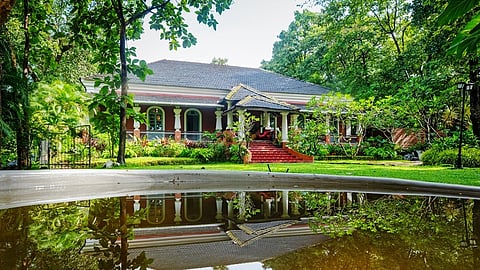
For those who take the time to step off the beaten path, Goa’s quieter, more authentic side unfolds — one of natural beauty, rich heritage and a slower pace of life. This is the Goa that was unveiled to us during our visit to the newly opened CGH property, Mansao Curtorim, located in the heart of South Goa. A short, scenic 15-minute drive from Margao, the landscape changes dramatically as you venture deeper into this hidden corner of Goa. The route takes you past serene lakes, grand churches and magnificent bungalows. Soon enough, you find yourself passing the peaceful Communidade Lake, the road winding ever narrower, until, with one final turn, you arrive at the striking sight of Mansao Curtorim — a heritage villa that immediately leaves you spellbound.
CGH Earth Saha Mansao Curtorim is a 236-year-old Indo-Portuguese mansion that has been beautifully restored, blending its historic charm with modern comforts. Nestled in the sleepy village of Curtorim, this peaceful retreat is surrounded by lush paddy fields and coconut groves, creating an idyllic setting for those seeking respite from the hustle and bustle of daily life. The villa, with its six spacious bedrooms and serene outdoor spaces, offers a perfect escape into a world where history and nature coexist harmoniously. Its tranquil atmosphere invites guests to relax and connect with the region’s unique culture and heritage.
Curtorim itself is a village steeped in history, with the Church of St Alex dating back to 1597, adding to the area’s timeless charm. The lush landscape, with its water bodies like the Zuari River, only enhances the feeling of serenity. It’s here, in this peaceful setting, that Mansao Curtorim stands as a testament to Goa’s rich cultural tapestry, blending colonial influences with the rhythms of rural life.
After marvelling at the beauty of the property, we settled down for our first meal — a traditional Goan thali, a dish we would come to savour several more times during our stay. The spread was an authentic representation of the region’s vibrant culinary heritage, with dishes such as Chorizo Pilaf, Ca uliflower Caldine, Pork Sorpotel and Bharlelim Aimi. The flavours were rich, bold and reflective of the fusion of IndoPortuguese influences that have shaped Goan cuisine. For dessert, we indulged in Bebinca and sipped on Sol Kadi and Kokum Sharbat — traditional Goan treats, while the fresh catch of the day provided the perfect seafood experience. Every bite was a reminder of how food is a celebration of culture in Goa, with spices and fresh ingredients coming together to create unforgettable dishes. The meal was so satisfying that it was impossible to resist the temptation to embrace the laid-back lifestyle Goa is famous for.
Following the traditional Goan attitude of susegad (derived from the Portuguese word sossegado, meaning quiet or calm), we took an afternoon nap — a ritualistic pause in the day that allowed us to fully embrace the property’s relaxing atmosphere. We awoke to hot cups of coffee just as the sun began to dip below the horizon and spent the evening wandering around the property, soaking in the tranquillity of the surroundings.
The following morning, instead of rushing to breakfast, we decided to take it slow and, by the time we stirred from our slumber, we were ready for an adventure. A short trip to Majorda, a village about 15 kilometres away, offered us a glimpse into the soul of Goa’s culture, far from the typical tourist spots. Majorda is known for its quaint village charm and its unique connection to Goan bread-making traditions. The village is home to one of Goa’s oldest bakeries and we had the privilege of witnessing the art of baking poi — a Portuguese-influenced bread that has become an integral part of Goan cuisine. The experience, organised by Soul Travelling, was called The Life of Pao: Bread Making Experience and it was an eye-opening journey into Goa’s culinary past.
After watching the skilled bakers in action, we were treated to freshly baked poi slathered in rich, creamy butter — an indulgence that left us feeling completely content. We spent the rest of the afternoon walking off our indulgences, before returning to Mansao Curtorim for a quiet evening. Dinner that night was another highlight — another traditional Goan spread that had us fully immersed in the flavours of the region. With our bellies full and our hearts content, we retired for the night, ready for more exploration the following day.
The next morning brought with it a new adventure — one that would take us to Chorao Island, located 50 kilometres away from the property. Known as Ilhas dos Fidalgos (the Island of the Noblemen) during the Portuguese colonial period, Chorao Island is rich in biodiversity and offers some of the best birdwatching opportunities in India, thanks to the famous Dr Salim Ali Bird Sanctuary. We joined Soul Travelling once again for a nature trail that took us on a boat ride through the lush mangroves of the island, with stops at scenic viewpoints, a visit to a unique temple and a trek to the Lost Seminary—an evocative reminder of Goa’s colonial past. The island’s beauty and serenity left a lasting impression and after a day in the sun, we were eager to return to the comfort of Mansao Curtorim for some well-deserved relaxation. Evening turned to night and in no time we were tucked away in bed, dreaming languid dreams of perfect Goan holidays, much like this one.
Our final day at Mansao Curtorim was also peaceful one, something that we’d gotten too used to by now. After a leisurely breakfast, we ventured out to Chandor, just seven kilometres away, to do a bit of sightseeing. But, in true Goan style, we returned soon after, choosing instead to spend the rest of the day at the property, soaking in the serene atmosphere one last time.
As the day drew to a close, we indulged in the luxury of susegad one last time, allowing ourselves to slow down and enjoy the simple pleasure of being in such a beautiful, tranquil place. By the time it was time to check out, we felt deeply refreshed — not just by the beauty of the property, but by the spirit of Goa itself. Mansao Curtorim had given us a rare glimpse into a side of the state that many never get to see, offering a perfect blend of history, nature and culture. It was an experience that left us with a deeper appreciation of the Goa that exists beyond the beaches and the bars — a Goa that is as rich in tradition and charm as it is in natural beauty.
Closest airport: Dabolim. Closest railway station: Margao/Madgaon.
INR 12,000 onwards. At Curtorim, South Goa.
Email: romal@newindianexpress.com
X: @elromal