
- LIFESTYLE
- FASHION
- FOOD
- ENTERTAINMENT
- EVENTS
- CULTURE
- VIDEOS
- WEB STORIES
- SPORTS
- GADGETS
- CAR & BIKE
- TRAVEL
- SOCIETY
- GALLERIES
- NORTH EAST
- INDULGE CONNECT

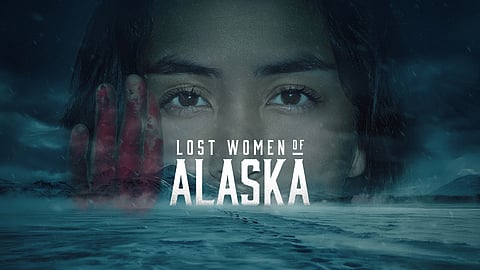
Watching Lost Women of Alaska is not a passive experience by any means. The three episode documentary sits heavy on our chests, and refuses to be softened by distance or statistics.
The documentary speaks about the murders that happened in Alaskan city Anchorage of Native women Kathleen Jo Henry and Veronica Abouchuk, by serial killer Brian Steven Smith. Instead of being interested in the psychology of the predator, the series is interested in the void that surrounded his victims.
What is great about the documentary is that it does not sensationalise the violence, but the knowledge of what happened is enough to leave a knot in our stomachs. Women tortured at the hands of a man who believed he could get away with it. Women disappearing into the vast Alaskan landscape while mothers, siblings and friends searched, called, waited. By decentring the investigation, the series focused on the families who lived through the slow horror of not knowing.
True-crime often wraps brutality with solved mysteries, justice served, the credits that roll out like closure. But Lost Women of Alaska is not that comfortable. It forces us to reckon with the brutal fact that violence against Indigenous women is a pattern.
Alaska has very high rates of violence against Indigenous women in the United States. For decades, activists have used the phrase “Missing and Murdered Indigenous Women” to describe a crisis that governments and law enforcement have been too slow to address. The series asks the uncomfortable questions about whose lives are prioritised and whose disappearances are allowed to fade into oblivion.
What makes the documentary powerful is the way it shows the victims. We see them through photographs, memories of their family and friends. Their laughter, friendships, the small human details that remind us these were not supposed to be headlines but just normal people. Each story becomes a reminder that behind every statistic is a daughter, a sister, a friend whose absence reshapes the world around them.
Watching the series is almost unbearable at times. But that discomfort may be the point. Bearing witness is a political act when the victims belonging to communities have been ignored for far too long. The documentary asks viewers to sit with their grief, their anger and the accountability.
Lost Women of Alaska is not so much about a serial killer, but a system that let vulnerable women to vanish. It is about the urgent need to confront a crisis that has been visible to Indigenous communities for generations. It is about the terror of their loved ones waiting for those who will never come home. Some stories should haunt us and this is one of them.
Lost Women of Alaska is currently streaming on Discovery+.
For more updates, join/follow our WhatsApp, Telegram and YouTube channels.